UK boutique Orpheus Capital is unlocking the potential of AMCs, combining education, structuring expertise and technology to broaden access to alternatives and high-yield strategies for institutional and high-net-worth investors.
Actively managed certificates (AMCs) are emerging as a flexible bridge between traditional funds and alternative strategies, but adoption has remained patchy. UK-based boutique Orpheus Capital is now spearheading a global push to change that, leveraging education, structuring know-how and technology to bring AMCs to the mainstream.
Compliance and transparent reporting underpin the growth of AMCs, particularly in cross-border derivatives trades - Andrew Wolfson
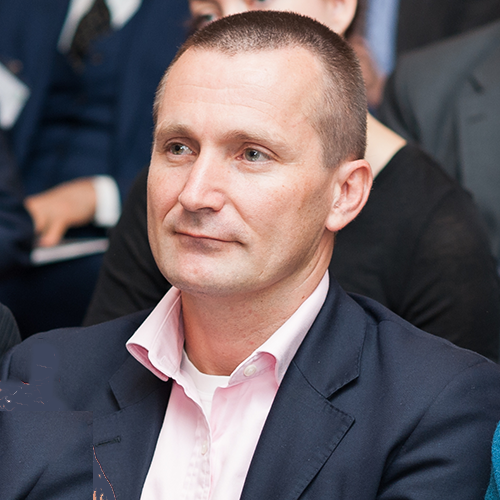
“Education is the first hurdle,” says Andrew Wolfson (pictured), founding partner. “You can sing the virtues of structured products, and fund managers still dismiss them because they’re not structured as a fund. Many simply don’t understand what AMCs can do.”
AMCs are often misperceived as lightly regulated or niche, yet Wolfson is quick to clarify: “Shifting from a fund-regulated setup to an issued instrument doesn’t make it less regulated. It’s simply a different framework.”
Once clients understand the structure, they ask why they need it and what it costs - Emile Fourie

Emile Fourie (right), partner at Orpheus, echoes the sentiment noting that awareness around AMC’s capabilities is critical before clients see the value. “Once clients understand the structure, they ask why they need it and what it costs. Our role is to show that an AMC can do what they’re already doing, but more cost-effectively and efficiently,” said Fourie.
According to Wolfson, the global AMC market has grown steadily, reaching an estimated US$1.6 trillion, with roughly US$300 billion managed by Swiss firms. While some managers initially view AMCs as stepping stones to full fund structures, many discover that AMCs alone meet their strategic and operational needs. Regional factors also shape adoption: in South Africa, local tax rules and security classifications make AMCs attractive for investment in stockbroking accounts, highlighting their versatility across jurisdictions.
AMC appeal
Orpheus works across private placements, public offerings and exchange-traded products. Private placements, Wolfson notes, offer operational flexibility similar to segregated mandates, while ETPs like active ETFs tend to be more restrictive.
Transparency and cost disclosure will remain critical for the growth of this segment going forward. “Hidden costs can arise in bank-issued AMCs, whereas off-balance-sheet structures fully disclose fees,” added Wolfson.
Fourie noted that smaller discretionary fund managers and wealth managers have been quicker to adopt AMCs, leveraging them to differentiate from larger competitors.
Minimum investment thresholds vary by strategy, from US$200,000 for liquid strategies to US$2–5 million for private or alternative assets. “We want to see more smaller players using AMCs - they’re elegant and underutilised instruments,” says Fourie.
According to Wolfson, AMCs are proving useful for portfolio construction and investor engagement with family offices and fund investors reducing administration costs, and large institutional managers deploying AMCs to pilot new alternative and high-yield strategies, often yielding 60–80%, which “are easily delivered via AMCs, and can also create liquidity across complex portfolios”.
Technology is central to Orpheus’ approach to AMCs. The UK boutique has integrated multiple platforms such as GenTwo, Maverix Securities and Chartered Investments, which enables clients to access alternative assets while maintaining control.
Wolfson noted that “compliance and transparent reporting underpin the growth of AMCs, particularly in cross-border derivatives trades”.
Looking ahead, Orpheus anticipates strong growth as asset owners seek to democratise alternatives and reach underserved investor segments.
“AMCs allow investors access to solutions they couldn’t reach through traditional methods,” says Wolfson.
With a focus on education, scalable technology and operational expertise, Orpheus Capital is seeking to “fulfil the potential AMCs as transparent, flexible and efficient investment vehicles”.
“The AMC can basically do what clients are already doing, but in a more efficient way,” Fourie concluded.
This article is an excerpt from a longer profile that that is part of the SRP AMC Report 2026, which is available for download here.
Do you have a confidential story, tip or comment you’d like to share? Contact Us | SRP (structuredretailproducts.com)