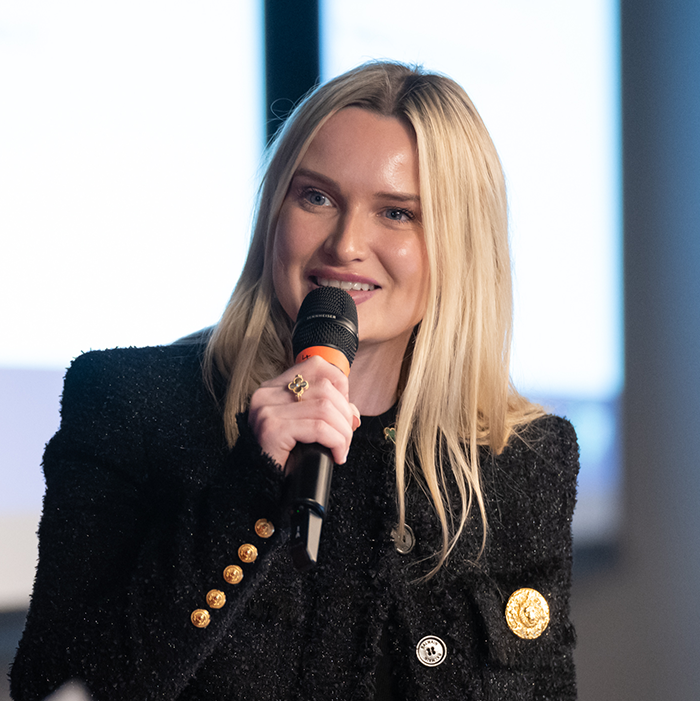
Participants of the ‘Distribution models around Europe’ panel at SRP Europe 2026 provided a comparative view of regional distribution models, highlighting local nuances and client preferences.
Ewa Wojcik (pictured), executive director, institutional equity division at Morgan Stanley, kickstarted the discussion by asking the panellists to describe the key features of their main distribution model, and highlight any major differences compared to other jurisdictions.
Structured products are uniquely unpopular in the UK – pretty much everything in the market is against them - Clive Moore, IDAD
“Seaspray Private caters exclusively to high-net-worth individuals; our minimum investment size is €100k and we do private placements only,” said Victor Danylyuk, investment manager at the Irish wealth manager.
Given the nature of Seaspray’s clients, the company tends to forecast the market prior to launching any products.
“We continuously talk to salespeople and structurers in the bank, and we know exactly what can be sourced from them […] we map that exclusively to our clients, thus eliminating any hedging risks,” Danylyuk said.
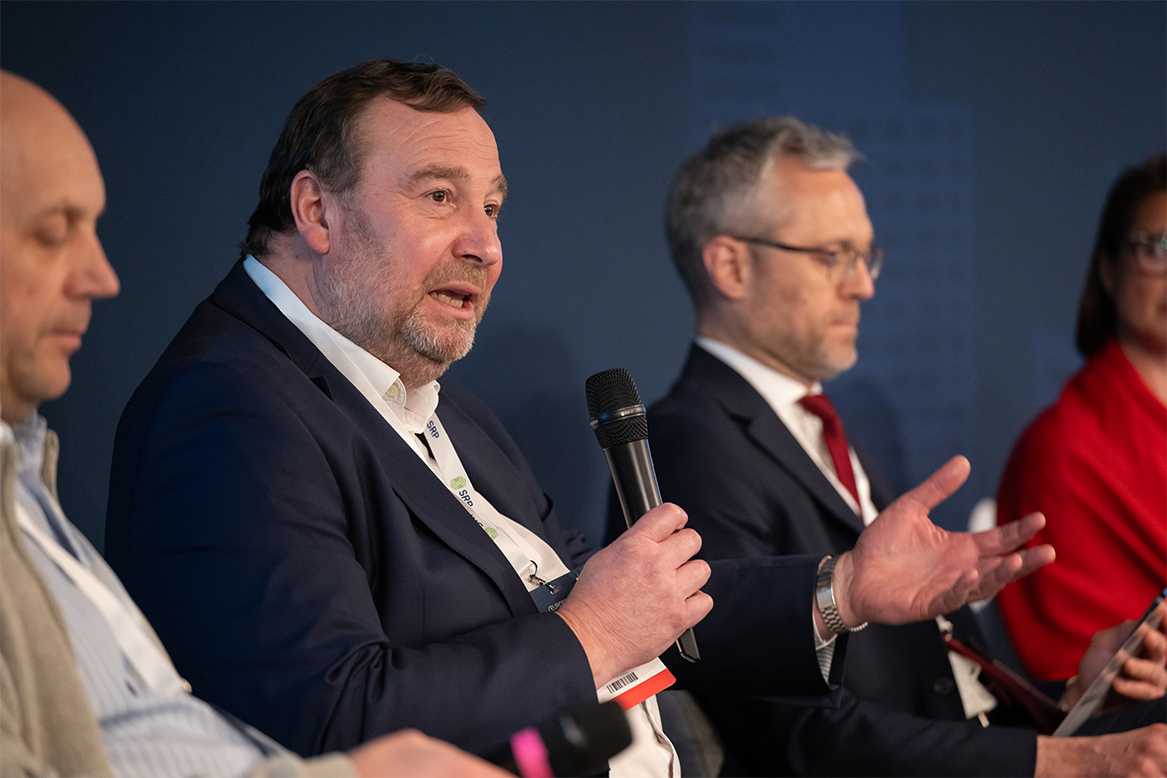
Left to right: Victor Danylyuk, Seaspray Finance; Clive Moore, IDAD; Wojtek Bogacki, Pekao Brokerage Office; and Geraldine Laussat, OTCX
In the UK, the biggest challenge is getting structured products across to a market that is used to investing in funds, according to Clive Moore, managing director at IDAD.
“Structured products are uniquely unpopular in the UK – pretty much everything in the market is against them, so they are almost un-investable in terms of all the major platforms advisors use,” said Moore.
Perpetually beaten up in the press, very few UK retail advisors use structure products since they do not fit within their existing portfolios.
“It’s a tough gig in the retail space, however, in the discretionary and institutional space structured products are enormously popular, and that sector grows all the time,” Moore added.
Wojtek Bogacki, director investment services, at Poland’s Pekao Brokerage Office emphasised the conservative nature of the bank’s retail clients, favouring structured products for added income.
“Because of their defensive profile, clients use structured products to potentially add some income without taking too much risk,” he said.
The Polish market is subscription based and led by retail. “We go from one subscription to another with centralised marketing materials and centralised sales stories,” Bogacki said.
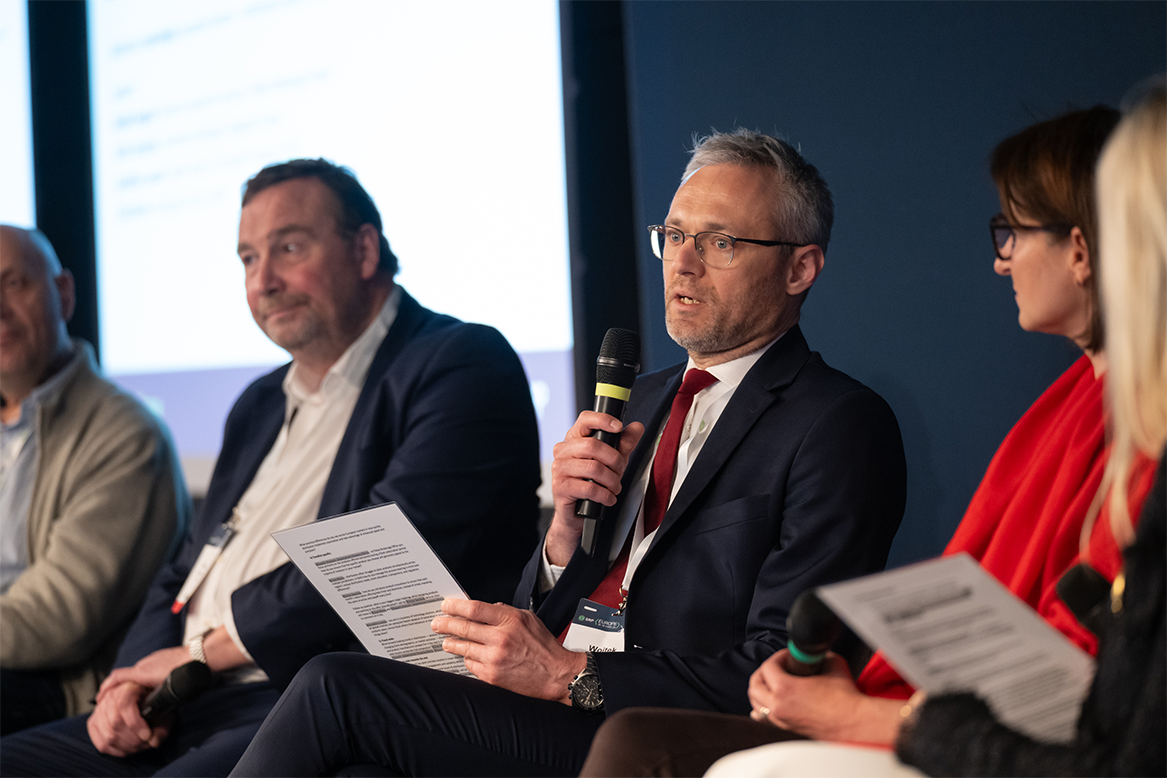
Left to right: Victor Danylyuk, Seaspray Finance; Clive Moore, IDAD; Wojtek Bogacki, Pekao Brokerage Office; Geraldine Laussat, OTCX; Ewa Wojcik (moderator), Morgan Stanley
Geraldine Laussat, global head of structured products at OTCX highlighted the role of technology in improving access and client engagement, particularly in private banking.
“Technology is helping to reorganise the way the dealing desk is speaking with the advisors,” Laussat said adding that its key that digitisation, pre-trade execution and post-trade are communicated with the end-client at the right time.
When it comes to jurisdictions, Laussat pointed that the Swiss market is the most integrated, given the high levels of automation.
“Cost of issuance is lower, which means smaller size tickets are more possible than ever, allowing issuers to move from subscription products to custom deals,” she said. “The UK is less integrated as per se, but the distribution channel works very well.”
Retail vs private banking
According to the panellists, local nuances greatly impact client behaviour and also the positioning, with different selection processes applying for products targeted at retail networks versus private banking networks.
At Pekao, retail network engagement is based on simple plain vanilla structures, mostly linked to single stocks or a basket of two or three stocks. “The most sophisticated structure is the autocall,” said Bogacki.
The Polish bank’s private banking channel was historically led by exclusive offers, often without capital protection.
“Nowadays we try to differentiate those channels by selling structured products not as a single payoff, but as a part of a client’s portfolio,” he said.
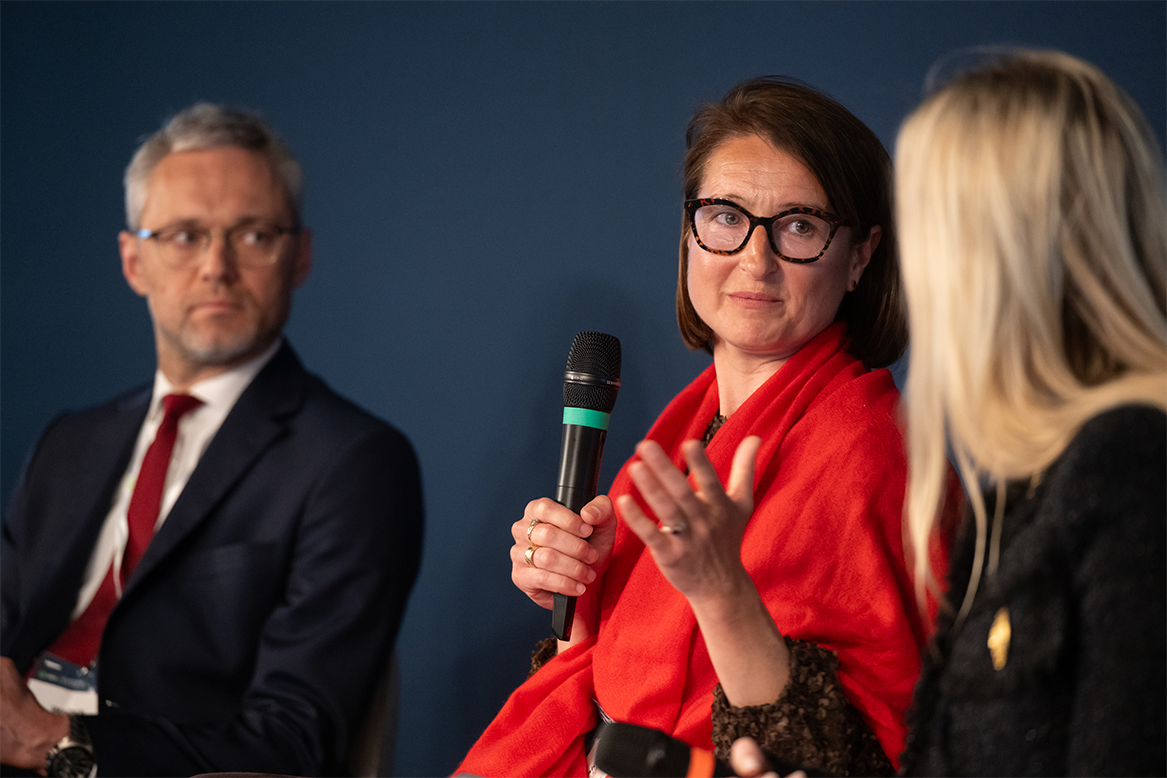
Left to right: Wojtek Bogacki, Pekao Brokerage Office; Geraldine Laussat, OTCX; Ewa Wojcik (moderator), Morgan Stanley
IDAD works in several markets and products can be very different, however the company’s focus remains on the end-investor and the target audience.
“The joy of structured products is that they are infinitely adaptable,” said Moore.
Similar to Pekao in Poland, IDAD offers vanilla products linked to mainstream indices in the UK. A specific UK feature is that the first autocall is never usually shorter than two years, for the simple reason that advisors take a charge up front.
“In the international market, where people are remunerated with commission, still, the products are designed with commission built in […] the profile of the product tends to be a bit punchier to achieve the same coupons,” Moore said.
Providing an issuer’s perspective, Morgan Stanley’s Wojcik liked the fact that there is such a high degree of granularity, creating depth for the market with clients and investors becoming more familiar with structured products.
“I'm also aware of the fact that not every structured products network has the capacity to offer that many solutions and have them constantly on the shelf,” she said.
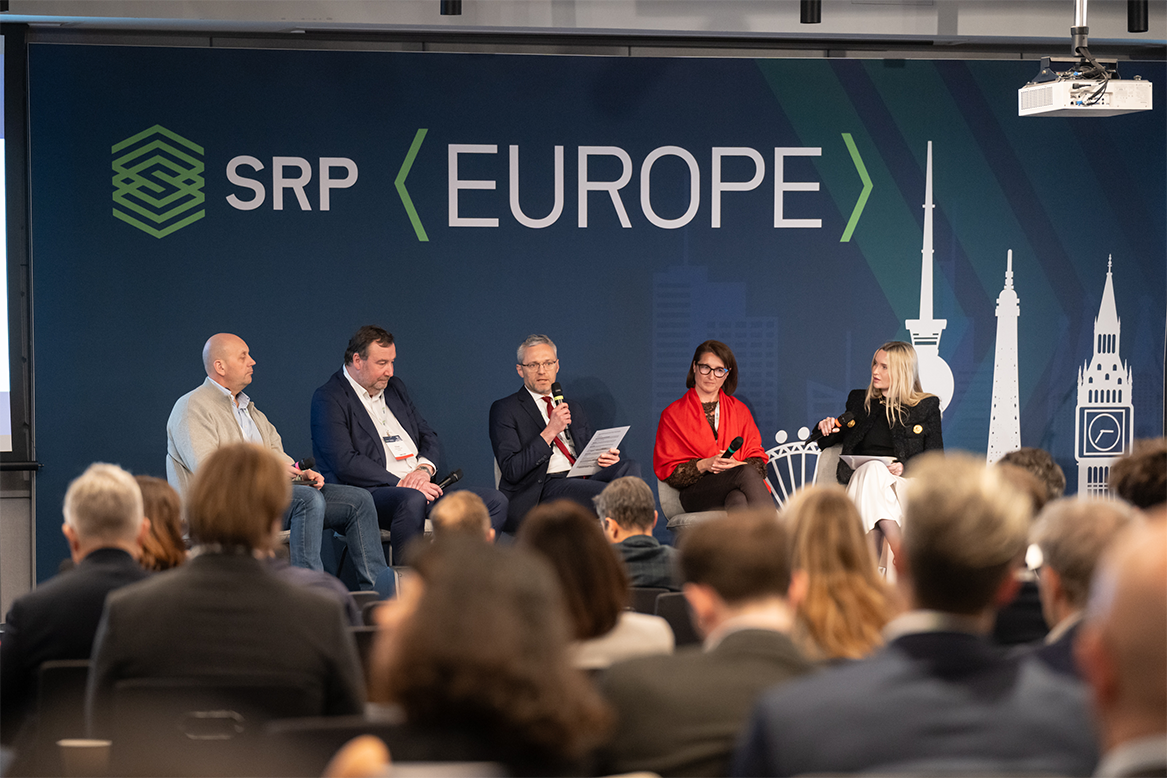
Left to right: Victor Danylyuk, Seaspray Finance; Clive Moore, IDAD; Wojtek Bogacki, Pekao Brokerage Office; Geraldine Laussat, OTCX; Ewa Wojcik (moderator), Morgan Stanley
Pekao has one or two structured products in subscription per month but they need to make sure that these capture the interest of the whole network, which is less complicated than it looks.
“It's fairly easy, because since 2010, equity markets are rising. Of course, there is volatility, but when you look at the S&P 500 you see that it's going up with only short drops,” said Bogacki. “We pick from 50 to 70 pre-approved stocks, mostly from the US, where the market trend is very visible and then the product team takes those stocks and constructs the product.”
The biggest challenge remains accessibility, particularly for retail investors, according to Moore, who emphasised the importance of appropriateness of the product and focusing on delivering solutions for the clients.
“We see a lot of QIS stuff coming our way, and very rarely do I sit there and think, wow, this is solving a problem.”
Do you have a confidential story, tip or comment you’d like to share? Contact Us | SRP (structuredretailproducts.com)