Issuer vs broker vs insurer: who holds the pricing power in France? This was one of the key topics discussed during the opening panel of SRP France 2026 which was held in Paris on 20 May.
Aicha Ouerghemi, head of cross asset wealth solutions sales FraBeLux at Crédit Agricole CIB, who moderated the panel, started the discussion by asking panellists who holds the pricing power in today’s climate.
We tend to see [an increasing number of] clients choosing to go through brokers, even though the competition is fierce - Jordan Sfez, Aydo
“[Pricing power] remains with the issuer,” said Jordan Sfez, founding partner at Aydo, who insisted that there are two models.
“Certain clients, particularly those with high volumes, have historically chosen to deal directly with issuing banks, maintaining a direct relationship,” said Sfez.
The other scenario, one that suits Aydo well and is increasingly common, is that many clients are choosing to outsource and use intermediaries and brokers, who will digitise the entire workflow for them.
“We tend to see [an increasing number of] clients choosing to go through brokers, even though the competition is fierce,” said Sfez.
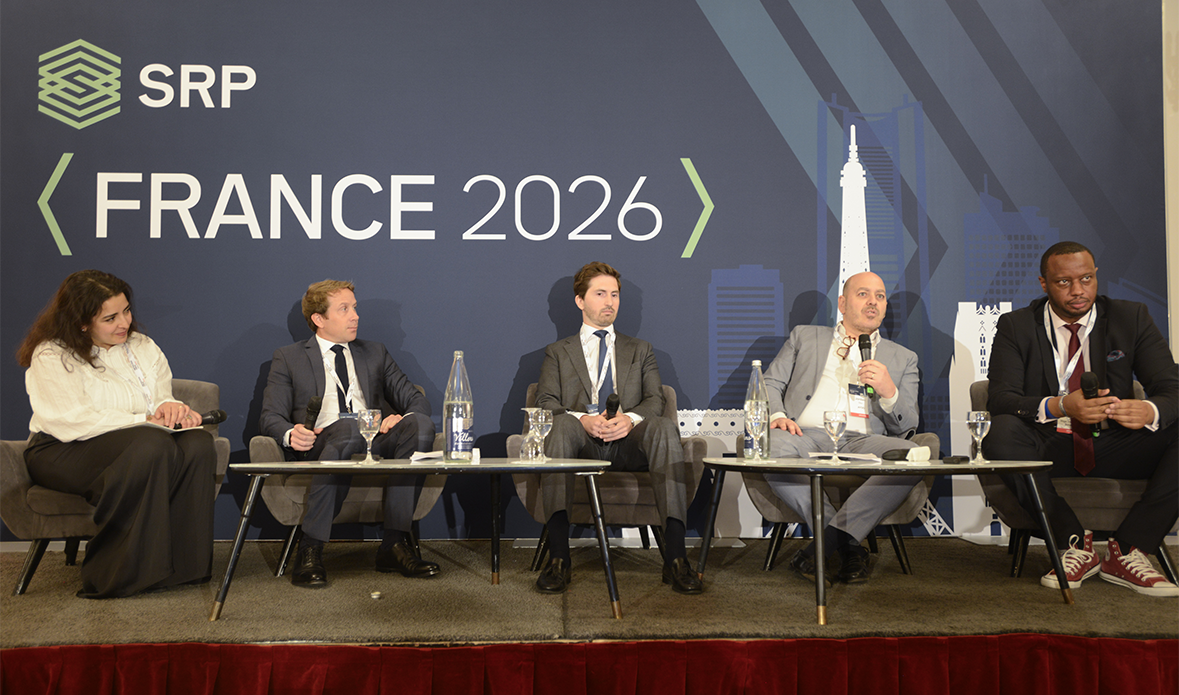
Left to right: Aicha Ouerghemi (moderator), Crédit Agricole CIB, Clément Lemaire, Irbis Finance; Nicolas Dubos, Nexo Capital; Jordan Sfez, Aydo; and Oumar Diawara, Vega Investment Solutions
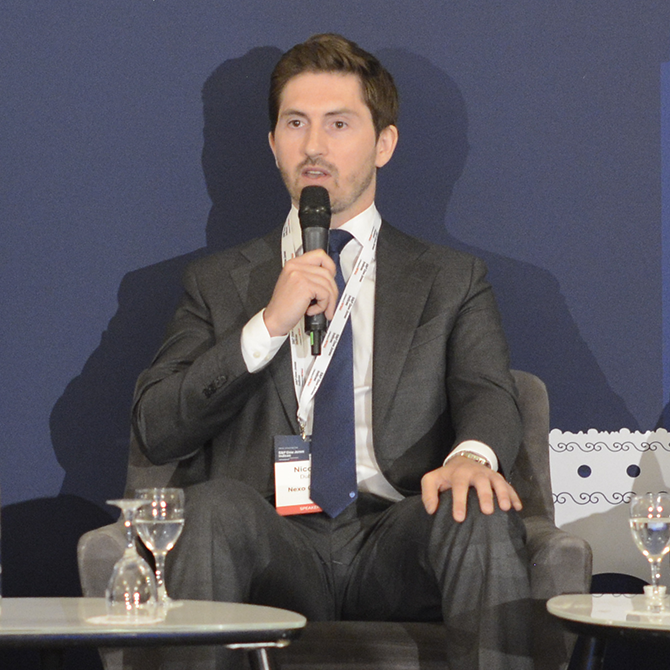
Nicolas Dubos (pictured), associate director, Grand Ouest & IDF, Nexo Capital emphasized the need for collaboration between insurers, issuers and brokers.
While prices certainly come from the issuers, the final decision rests with the insurer and its various benchmark constraints - Nicolas Dubos, Nexo Capital
“As brokers, what really generates premiums and partnerships is the ability to innovate and optimize by offering a whole range of tools—perhaps educational, IT, operational, and more,” Dubos said, adding that issuers want to maintain the balance between profitability and risk management, brokers will focus on smooth execution and aggressive pricing, while the insurer will have a much stronger bias towards compliance and reputation.
“In terms of pricing power, while prices certainly come from the issuers, the final decision rests with the insurer and its various benchmark constraints,” Dubos said.
According to Clément Lemaire, CEO at Irbis Finance, ultimately it comes back to the distributor, who will have a different fee policy and pricing policy depending on their clientele and business model.
“Independent players like us are faced with this entire value chain and we try to manage it in the best possible way, taking into account the constraints imposed by insurers, which, as Nicolas [Dubos] rightly pointed out, are indeed the main issue today,” Lemaire said.
Oumar Diawara, head of structured products at Vega Investment Solutions, offered a different perspective, finding value in customisation of strategies.
“We work extensively with CIBs on the structuring of these products, and there are always the same constraints: the distributor and the insurer set their level, and then we try to develop the best strategy,” he said.
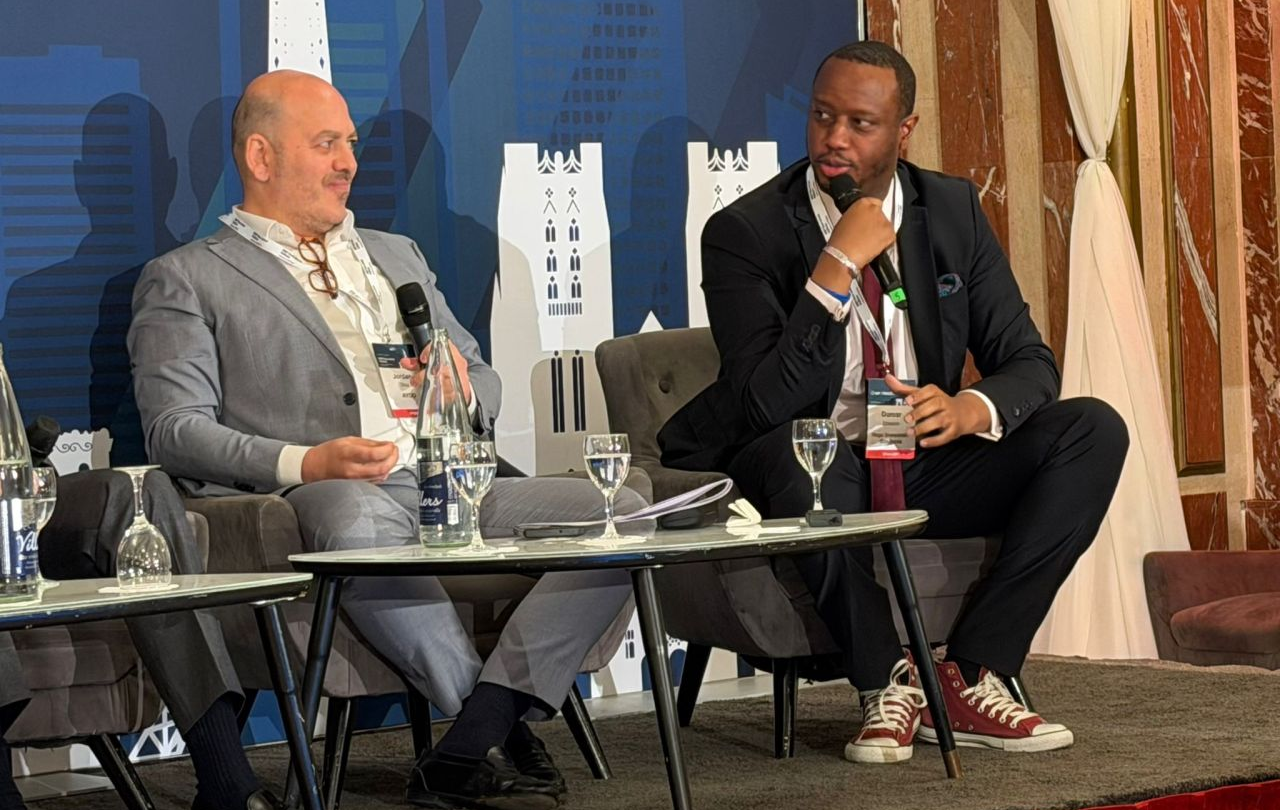
Left to right: Jordan Sfez, Aydo and Oumar Diawara, Vega Investment Solutions
In addition to the pricing power it partly holds, the insurer also has the role of gatekeeper, said Ouerghemi who admitted finding insurers' selection criteria “sometimes illogical”.
According to Dubos, there are many reference charters from insurers that are generally linked.
“Even if some differ, it creates a standardization, almost a bit of self-censorship, in the specifications we work on daily,” he said.
However, in the end there are differences, particularly regarding acceptance, the number of mechanisms, or the types of underlying assets, with the insurer's main objective being to ensure coverage.
“Of course, we generally have products that are balanced from a risk perspective overall, but also perhaps with a significant focus on the concept of clarity. That's why the mechanism is often gapped,” he said.
Lemaire highlighted the level of internal expertise, with some insurers now having dedicated teams.
“Each insurer will have its own policy based on its ability to understand innovations related to the underlying assets or related to the mechanism itself.
“Moreover, insurers are obligated to place funds in safekeeping depending on the distributors; it always comes back to the end customer,” said Lemaire who is seeing more fixed timeframes.
“We are seeing that the French market is moving towards true standardization, whereas the beauty of structured products was precisely the ability to create customized products,” he said.
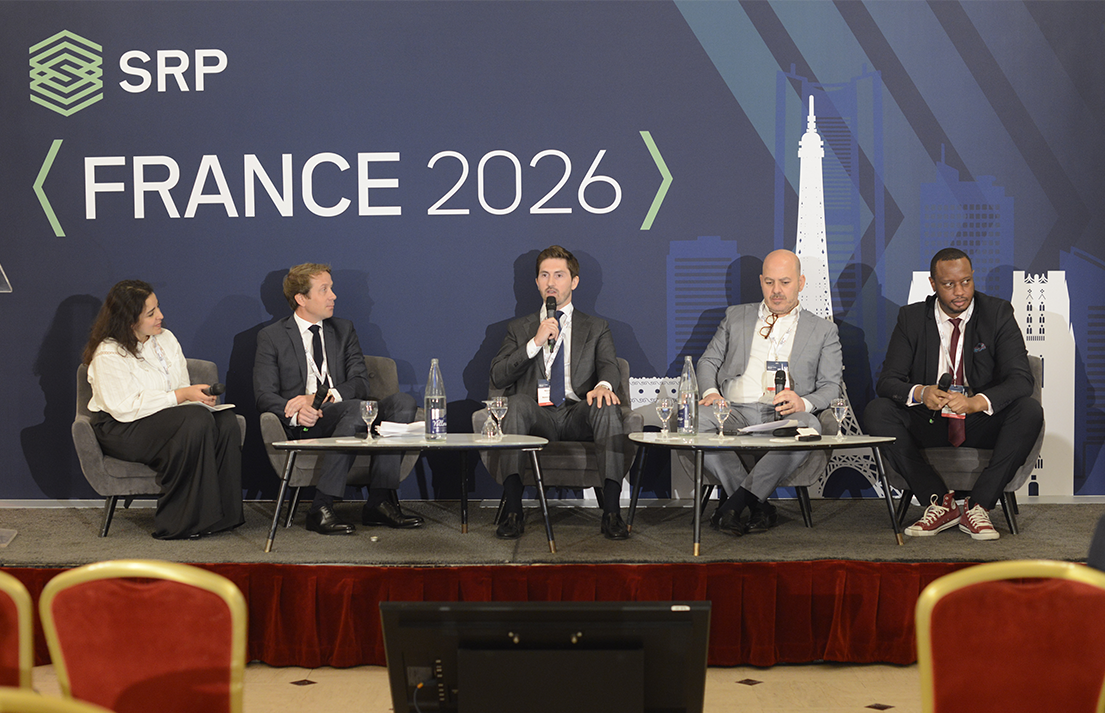
Left to right: Aicha Ouerghemi (moderator), Crédit Agricole CIB, Clément Lemaire, Irbis Finance; Nicolas Dubos, Nexo Capital; Jordan Sfez, Aydo; and Oumar Diawara, Vega Investment Solutions
Market timing is indeed becoming very complicated, Sfez agreed.
“It's become almost a mission – quite complicated, if not impossible – to get listed quickly and then marketed within a given market timeframe.
“We must try to work collaboratively with our issuer, insurer, and client partners to evolve our practices a little, to have more agility and flexibility so we can offer more differentiated products, both on marketplaces and through other additional clinics that can protect the client,” Sfez said.
Dubos also highlighted listing conditions, and the fees involved. “Insurers are increasingly looking at fees, whether it's the performance index, or the entry costs into the liquidity,” he said.
There are many more players, a growing number, forming a well-established value chain with associated costs for each service provided, according to Ouerghemi.
“Therefore, we are seeing a real compression of margins for everyone, but demand remains strong and resilient, especially in a volatile market environment,” she concluded.
Do you have a confidential story, tip or comment you’d like to share? Contact Us | SRP (structuredretailproducts.com)