
Industry representatives highlighted the resilience of structured products in France, while a parallel initiative on fees and distribution seeks to shift the conversation from cost alone to the value delivered across the investment chain.
The opening session of the SRP France Conference 2026 brought together representatives from the French structured products industry to examine two of the sector's most debated topics: performance and transparency. Held in Paris on 20 May, the discussion featured SRP’s head of analytics Nikolay Nikolov, as well as Olivier Gentier (pictured), managing director and secretary general, AFPDB, and Marlene Hassine Konqui, associate managing director, BSD Investing.
The market is no longer competing solely on coupon levels [...] iIt is increasingly focused on improving structural efficiency - Nikolay Nikolov, SRP
Opening the session, Gentier reminded attendees of the purpose behind the annual performance study produced jointly by the industry and Derivia Intelligence. Now in its ninth year, the report has become one of the most widely referenced benchmarks for assessing how structured products have performed across market cycles in France.
Beyond performance, however, the industry is increasingly focused on addressing questions around fees, value creation, and investor understanding. These themes framed the discussion throughout the session.
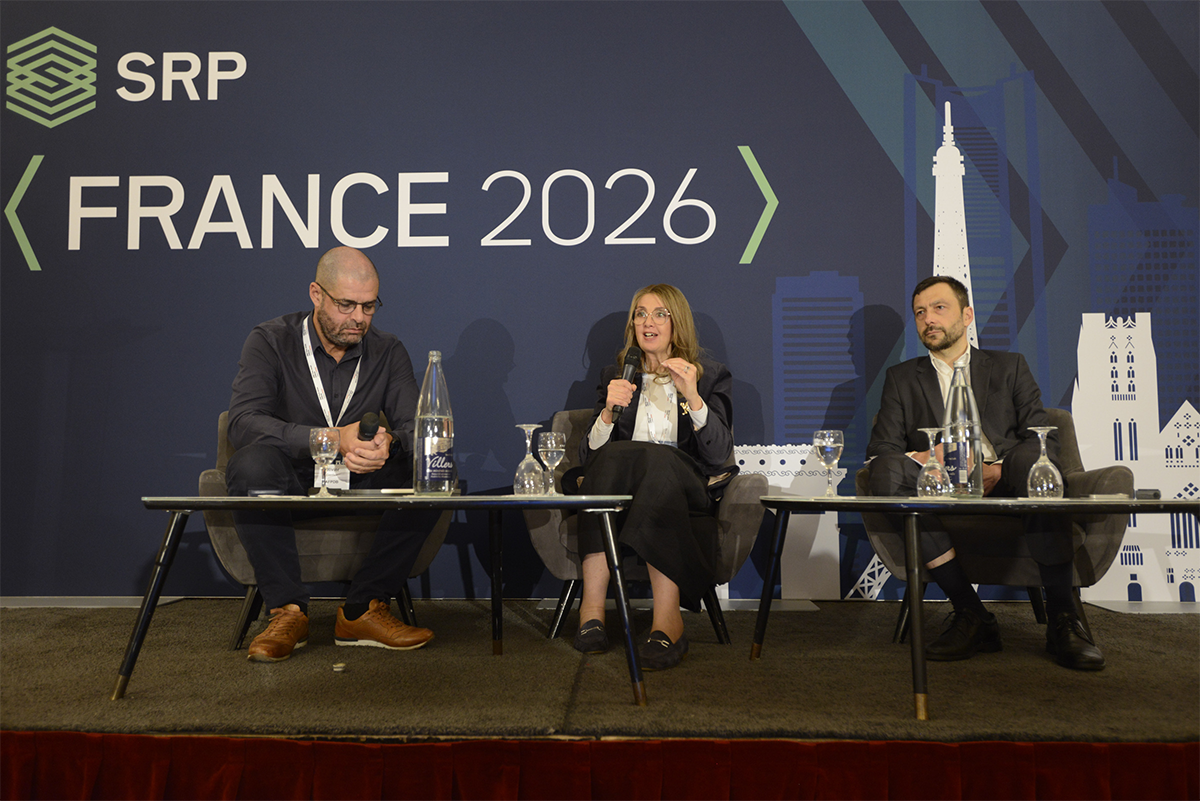
Left to right: Olivier Gentier, AFPDB; Marlene Hassine Konqui, BSD Investing; and Nikolay Nikolov, SRP.
Before reviewing the results, SRP’s Nikolov outlined the methodology behind the study. The analysis covered approximately 4,000 matured products drawn from Derivia Intelligence's French structured products database, which currently tracks around 50,000 products, roughly half of which remain outstanding.
The objective of the exercise is not to measure issuance volumes or commercial success but to analyse how structures behave over time and what outcomes investors ultimately receive.
Comparisons based purely on headline costs often ignore the entire value chain behind the product - Marlene Hassine Konqui
Part of the performance data was independently validated through market participants, providing an additional layer of robustness to the findings.
Autocalls continue to drive returns
The headline conclusion is that structured products in France continued to deliver solid outcomes during 2025.
According to Nikolov, the market remains heavily dominated by products redeemed through early autocall events. These structures generated average annualised returns close to nine percent while remaining invested for less than 18 months on average.
Products reaching final maturity represented a much smaller sample and tended to be inherently riskier. Some loss-making structures within this group weighed on average returns, but they remained a minority within the broader universe analysed.
The overall picture was one of resilience, with performance levels remaining broadly consistent with recent years despite continued market volatility.
Higher rates improved product design
Gentier noted that average returns have remained above seven to eight percent for several years and asked whether this represented a structural shift in the market.

Left to right: Olivier Gentier, AFPDB; Marlene Hassine Konqui, BSD Investing; and Nikolay Nikolov, SRP.
Nikolov attributed the improvement to a combination of market conditions and product evolution.
The higher interest-rate environment enabled issuers to offer more attractive coupons while simultaneously lowering protection barriers, according to Nikolov. “Many of the products maturing today were originally designed during this favourable rates regime,” he said.
The ambition is to establish a broader framework that measures both investor outcomes and the mechanisms that produce them - Olivier Gentier
At the same time, issuers have refined autocall mechanisms to improve efficiency. Features such as step-down autocall barriers and more frequent observation dates—monthly, quarterly and even daily in some cases—have increased the probability of early redemption.
"The market is no longer competing solely on coupon levels," Nikolov explained. "It is increasingly focused on improving structural efficiency."
The result has been a generation of products capable of delivering attractive returns while maintaining relatively high redemption rates.
Losses remain concentrated
Looking beyond averages: the report also examined the dispersion of outcomes across the product universe.
According to Nikolov, the majority of products generated returns within a relatively narrow range of six to 10%, suggesting a performance profile that is more stable than many investors assume.
Loss-making products represented only a limited proportion of the sample. However, when losses occurred, they could be significant, averaging around -26%.
These negative outcomes tended to be concentrated in specific sectors rather than reflecting broader market weakness. Luxury-related underlyings featured prominently among the worst-performing products identified in the study.
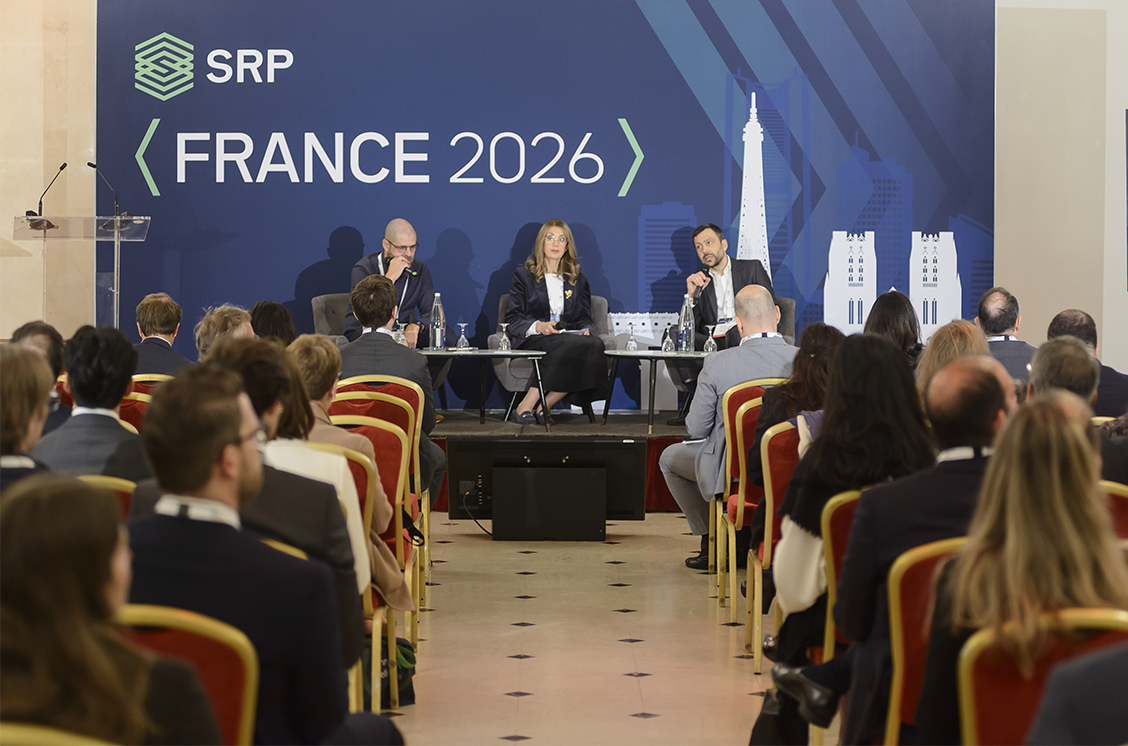
Left to right: Olivier Gentier, AFPDB; Marlene Hassine Konqui, BSD Investing; and Nikolay Nikolov, SRP.
The findings suggest that while downside outcomes remain possible, they are generally linked to concentrated thematic exposures rather than the broader structured products market.
Decrement indices continue to add value
The discussion then turned to one of the industry's most debated innovations: decrement indices.
Often criticised for their complexity, these indices have become increasingly common in structured product design across Europe.
Nikolov's analysis suggested that decrement-based structures have, on average, delivered higher performance without sacrificing autocall rates.
“Products linked to decrement indices benefited from higher redemption frequencies, enhanced protection levels and more flexible structural design,” he said.
However, he cautioned against viewing decrement mechanisms as universally superior.
In certain market environments, the synthetic dividend deduction embedded within decrement indices can detract from performance, particularly at maturity. Their effectiveness therefore depends heavily on the underlying asset, the decrement level applied and prevailing market conditions.
The conclusion was nuanced: decrement indices have demonstrably created value in many cases, but their benefits remain highly context dependent.
Structured products v traditional investments
One recurring criticism of structured products is that investors would be better served by holding equities or bonds directly.
To address this, the study compares matured products with equivalent direct investments over the same holding period.
Rather than selecting favourable examples, the methodology systematically calculates what investors would have earned from a comparable direct market exposure.
The comparison highlights that traditional investments have not necessarily offered smoother outcomes. Bond ETFs continue to face uncertainty linked to elevated long-term rates and geopolitical tensions, while equity markets remain subject to significant sector rotations and volatility.
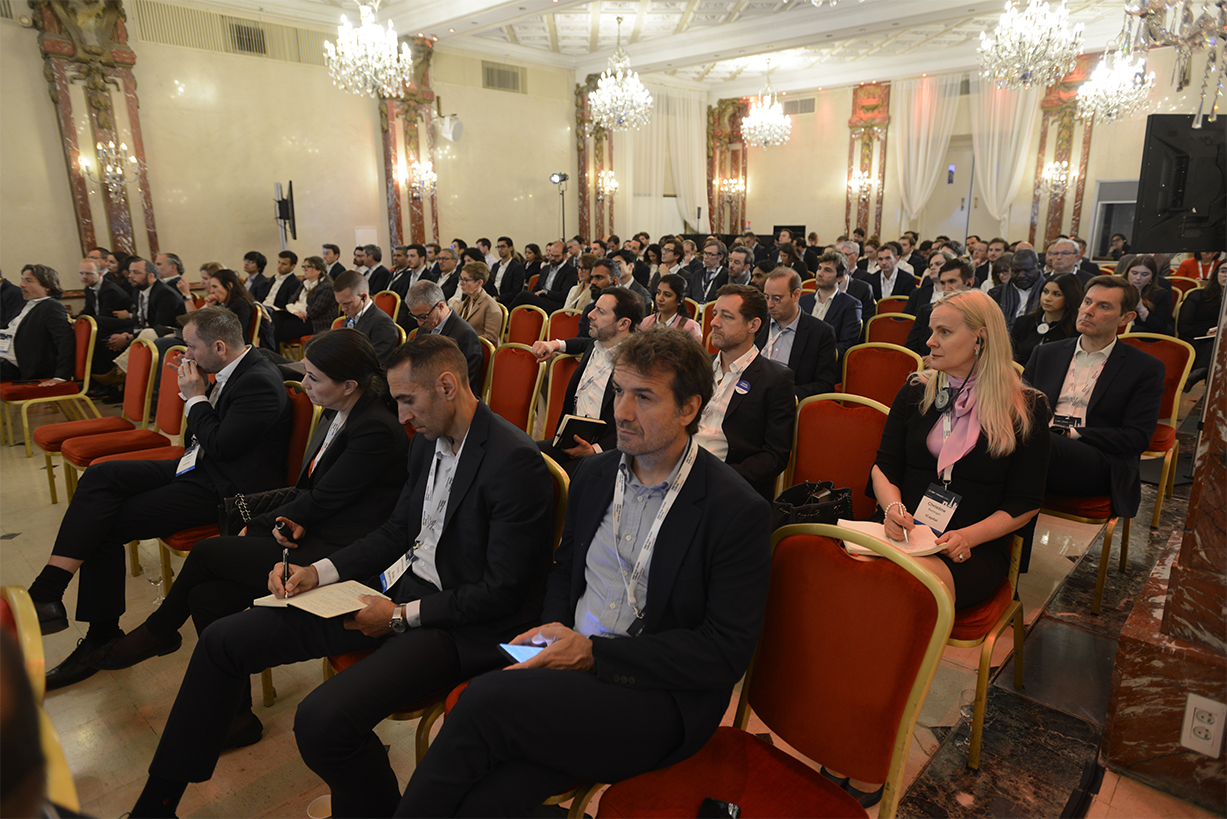
The audience at SRP France 2026 in Paris on 20 May
Against this backdrop, structured products continue to demonstrate their relevance as diversified investment solutions designed to deliver specific outcomes.
Beyond performance
The second half of the session focused on a forthcoming study examining fees and value creation within the structured products ecosystem.
Gentier emphasised that performance alone cannot address all investor concerns. Transparency around costs and the distribution of value across the investment chain has become increasingly important.
Hassine Konqui, whose background includes 15 years researching ETFs and active management, argued that discussions around fees often miss the broader point.
The relevant question, she said, is not simply how much a product costs, but what those costs are paying for.
Unlike ETFs or traditional asset classes, structured products combine multiple services: market views, financial engineering, hedging, legal documentation, product manufacturing, distribution and suitability assessment.
"Comparisons based purely on headline costs often ignore the entire value chain behind the product," she noted.
One concept expected to feature prominently in the report is "probable duration" or the expected life of a product once autocall probabilities are taken into account.
According to Hassine Konqui, understanding probable duration “is essential when evaluating fees because it provides a more realistic picture of the economic life of the investment than contractual maturity alone”.
The study also reflects a broader regulatory push towards greater transparency. Rather than viewing this trend as a challenge, panelists argued that it offers an opportunity to better explain the services and expertise embedded within structured products.
Towards new industry benchmarks
The session concluded with a discussion on how the industry is evolving.
Hassine Konqui pointed to the growing role of brokers and independent intermediaries, which have introduced greater competition and price discovery into the market. This development, she argued, creates a form of market self-regulation alongside existing regulatory oversight.
Looking ahead, AFPDB and Derivia Intelligence intend to develop recurring benchmarks covering not only performance but also transparency and value creation.
“For an industry often judged on isolated product outcomes or headline fee disclosures, the ambition is to establish a broader framework that measures both investor outcomes and the mechanisms that produce them,” said Gentier.
Do you have a confidential story, tip or comment you’d like to share? Contact Us | SRP (structuredretailproducts.com)