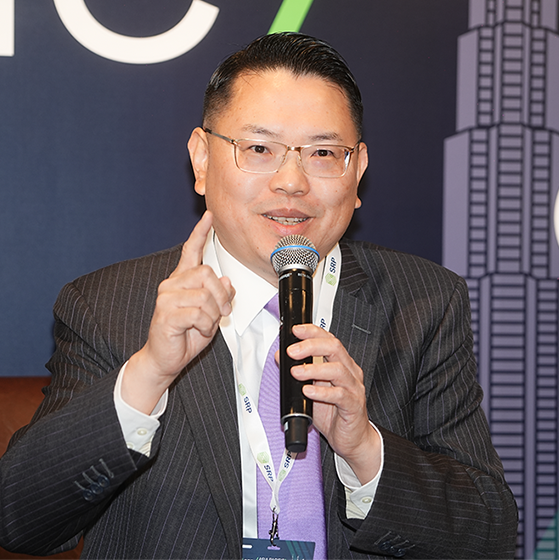
From Hong Kong’s retail yield hunt to Taiwan’s FCN concentration and Korea’s shift into protection, Apac structured products are booming, but simplicity, leverage and complacency may be building new risks beneath the surface.
Asian structured products are in the middle of a powerful expansion phase, fuelled by volatile equity markets, persistent rates and an investor base increasingly comfortable with complexity, senior executives noted during the Asia Structured Products Market: Flows, Yields & Performance panel at the SRP Asia Pacific 2026 conference in Hong Kong.
We started with linear interest-rate-linked products two years ago… now we are marketing callable range accruals on CMT - Connie Ho, Standard Chartered
But beneath the strong flows, panelists across Hong Kong, Singapore, Taiwan and Korea struck a more cautious tone as they agreed that innovation is accelerating, yet so is concentration.
As moderator Arjan de Boer, head of private banks coverage for Asia-Pacific, Crédit Agricole CIB, framed it, the region is operating in a world where “2026 is even better than 2025” for issuance and demand, but also one where the next shock is never far away.
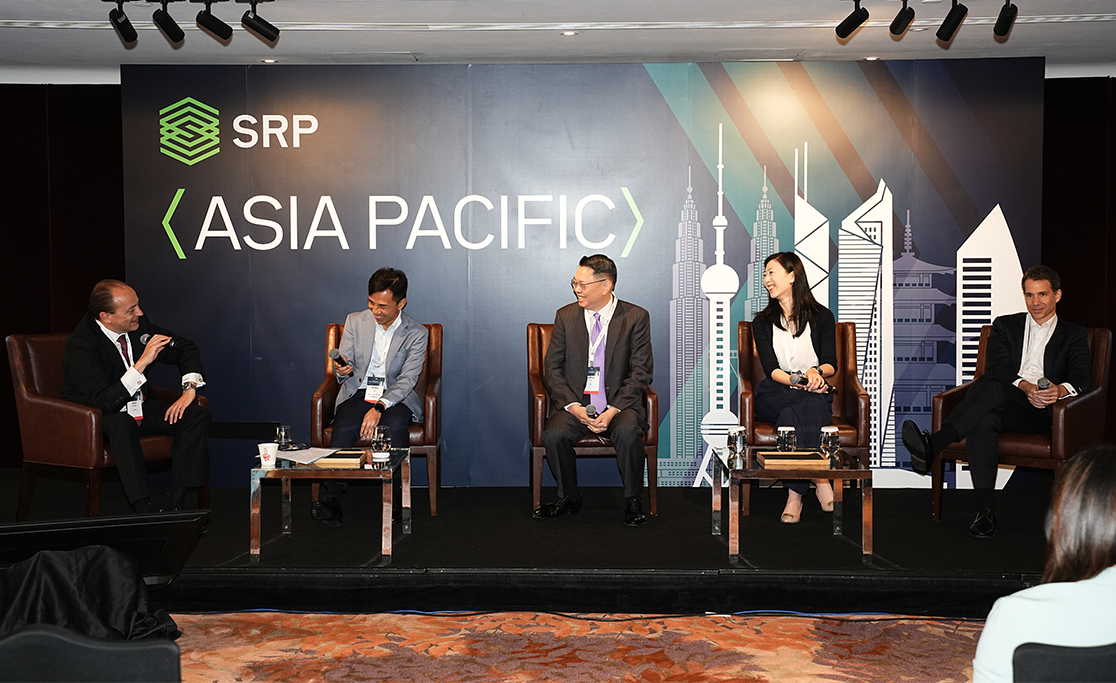
Left to right: Arjan de Boer, CACIB; Kin Kei Wai, BNPP WM; Jeffrey Juan, KGI Securities; Connie Ho, Standard Chartered; and Thomas Bord, Barclays.
For Connie Ho, head of structured products advisory and dealing, capital markets products and solutions, Standard Chartered, the macro backdrop has been the key enabler of growth.
“We have a very balanced portfolio now: equity flow products, interest rate-linked products and cash-alternative solutions,” she said, adding that Hong Kong clients have shifted from simple deposit behaviour into structured yield solutions, starting with linear rate products and evolving into more complex callable range accruals linked to CMT.
“We started with linear interest-rate-linked products two years ago… now we are marketing callable range accruals on CMT.”
Ho also stressed the importance of transparency and education, especially in retail channels where structured products are increasingly positioned as a deposit replacement rather than a trading tool.
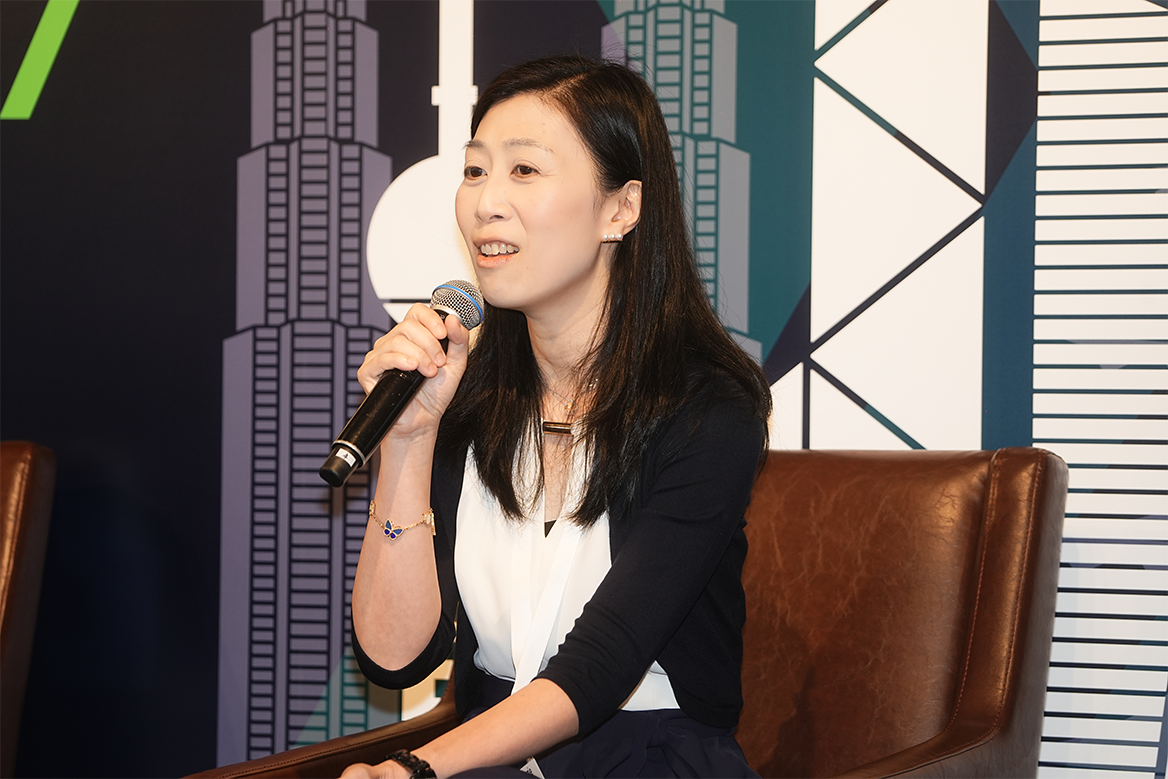
Connie Ho, Standard Chartered
From Barclays, Thomas Bord, Apac head of equity exotics & hybrid structuring , described a region that is “booming” but far from homogeneous.
Hong Kong is the number one market in terms of issuance velocity—very AI and tech driven - Thomas Bord, Barclays
According to Bord, the mix is changing fast, especially in Korea and Hong Kong. “Korea has moved from almost purely non-principal-protected to roughly a 50/50 split between PP and non-PP,” he said. In Hong Kong, he emphasised the velocity of issuance and the role of technology-driven equities. “Hong Kong is the number one market in terms of issuance velocity—very AI and tech driven,” he said.
A key structural shift, he argued, is the return of capital-protected equity innovation, enabled by higher rates. “With higher rates, capital-protected products are much more attractive again, it allows us to deliver 6–10% coupons with full protection.”
Bord added that issuer callability, once mostly a rates feature, is now central to equity structuring. “We really like this environment because issuer callability has become a powerful tool across equity, FX and rates,” he said.
Taiwan: extreme concentration
If Hong Kong and Singapore are innovation hubs, Taiwan is scale, but with heavy concentration risk.
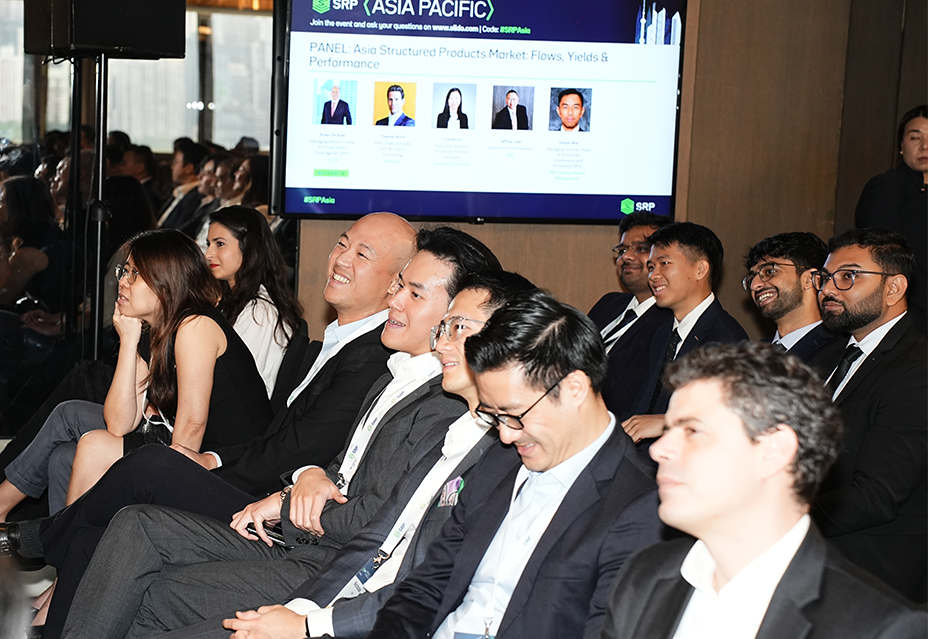
A captive audience at the SRP Asia Pacific 2026 Conference in Hong Kong on 24 June.
Jeffrey Juan (pictured), head of wealth management business, KGI Securities was the most cautious voice on the panel, noting that “ninety-eight percent of our trades are one-year tenor or less”.
Major distributors just keep selling the same classical FCN because it’s easy to sell - Jeffrey Juan, KGI Securities
However, he warned that the dominance of short-dated equity-at-risk FCNs is creating structural fragility. “I am quite worried about the concentration risk in these short-dated equity-linked structures,” he said. Even more concerning, he added, is the lack of product evolution in distribution. “Major distributors just keep selling the same classical FCN because it’s easy to sell,” he noted.
Juan also highlighted a retail-driven acceleration of sophistication, sometimes without full understanding. “I saw a KOL charging HKD 1,500 to teach people how to trade FCNs.” On product design, he was particularly critical of leveraged yield structures as after one year, if rates don’t fall quickly, the mark-to-market becomes very poor.
“These products are not good for clients,” he said.
Korea: from speculation to protection
Barclays’ Bord noted that Korea has undergone one of the most visible structural shifts in the region with the move away from aggressive index-linked non-PP structures toward capital protection becoming dramatic. “Korea has clearly evolved towards capital-protected products which is a major change versus five years ago,” he said.
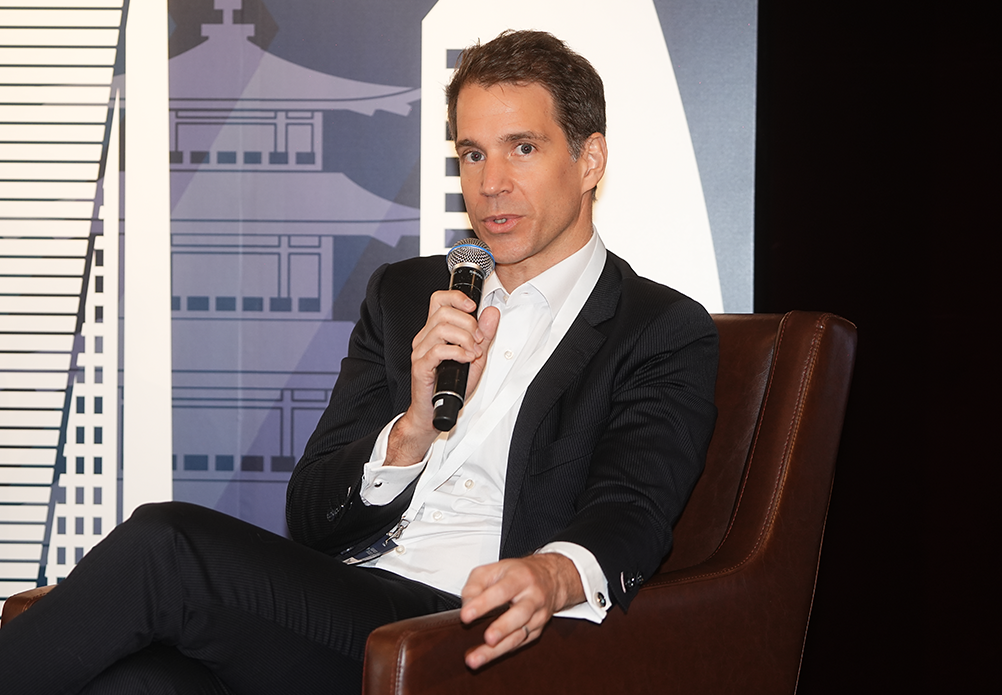
Thomas Bord, Barclays
Underlying this shift is a broader client preference change from indices to single stocks like Samsung and SK Hynix, and from yield chasing to risk control.
Singapore and SEA: constrained growth
Kin Kei Wai, head of structured investments and derivatives Apac, BNP Paribas Wealth Management, highlighted a more selective but stable environment in Singapore with strong engagement from private banks in US tech and AI themes.
Singapore clients have been very nimble in switching along the AI value chain - Kin Kei Wai, BNP Paribas WM
“Singapore clients have been very nimble in switching along the AI value chain,” said Wei. However, he contrasted this with broader Southeast Asia, where growth is structurally slower due to onboarding and regulatory friction.
The big macro shift
Across all speakers, a consistent theme emerged: diversification is intellectually accepted, but commercially difficult. Wai summarised the behavioural shift clearly. “We keep talking about diversification and hedging, but clients are not really listening anymore because recent performance has rewarded concentration,” he said.
This return-chasing after repeated “buy-the-dip” cycles behavioural dynamic was flagged as a growing medium-term risk.
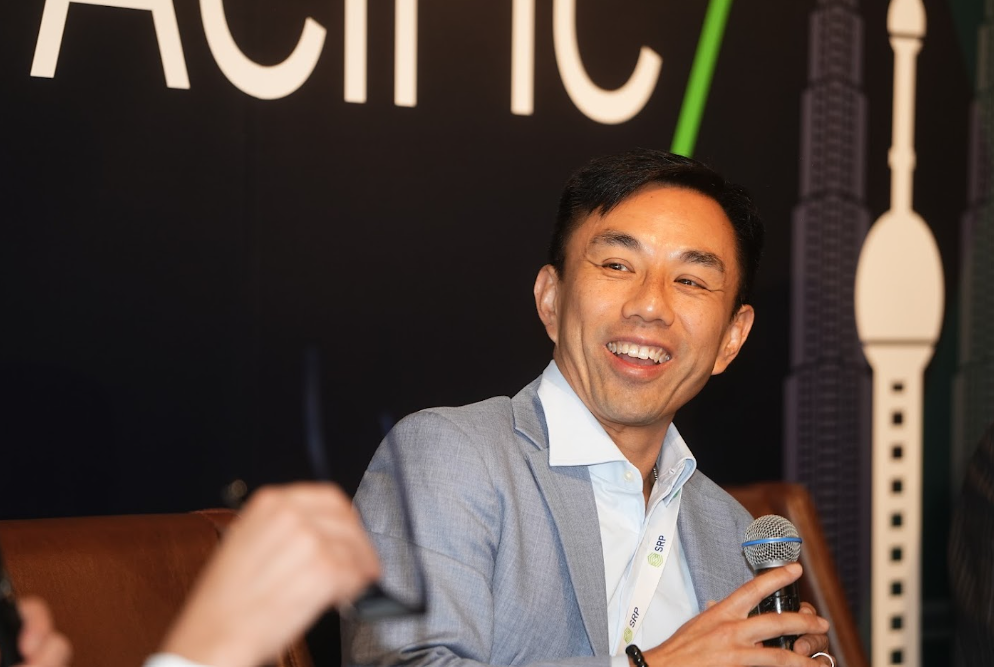
Kin Kei Wai, BNP Paribas Wealth Management
Interest-rate products were also highlighted as central to the current market offering, although they are evolving rapidly. Standard Chartered’s Ho noted increasing demand for hybrid structures combining FX, equity and rates. “We are seeing hybrid underlyings like USD/HKD together with S&P 500,” she said.
Bord echoed that the high-rate environment has unlocked innovation across product types, while Wai highlighted a wave of investors now revisiting earlier rate trades as expectations shift.
Headwinds beneath the surface
Despite strong issuance momentum, the tone across the panel was more cautious looking forward. KGI Securities’ Juan pointed to rising questions about whether flows represent genuine new money or recycled positions. “I wonder how much of this is truly new money versus roll-over of existing positions,” he said.
According to BNP Paribas’ Way there is a need for continued discipline as "even if clients aren’t listening, we still have to keep putting diversification and protection on the table,” he stressed.
Barclays’ Bord closed the discussion with a reminder that the current environment while highly productive for structurers is also structurally uncertain pointing at a lot of "very good innovative things we can build right now, but the macro backdrop means shocks will keep coming,” he concluded.
Do you have a confidential story, tip or comment you’d like to share? Contact Us | SRP (structuredretailproducts.com)