The market is evolving beyond traditional yield-enhancement strategies as private banks and asset managers respond to changing demand in a higher-for-longer rate environment.
Asian investors are increasingly looking beyond fixed coupon notes, with participation strategies, derivative income ETFs and commodity-linked solutions attracting greater interest alongside traditional autocallables, according to two senior executives from UBP and CSOP Asset Management at SRP Apac 2026 Conference on Wednesday.
We’ve seen a lot more beyond-yield solutions in structured products this year - Karrie Fung, UBP
Despite the shift, yield generation remains the dominant use case.
“We’ve seen a lot more beyond-yield solutions in structured products this year,” said Karrie Fung, head of wealth management sales and execution Asia at Union Bancaire Privée (UBP). “However, in absolute terms, around 80% of the market is still focused on yield generation because those products remain easy to distribute and reinvestment activity has been very strong.”
According to Fung, a third client segment has also re-emerged alongside traditional equity and bond investors: cash investors seeking enhanced returns on short-duration liquidity.
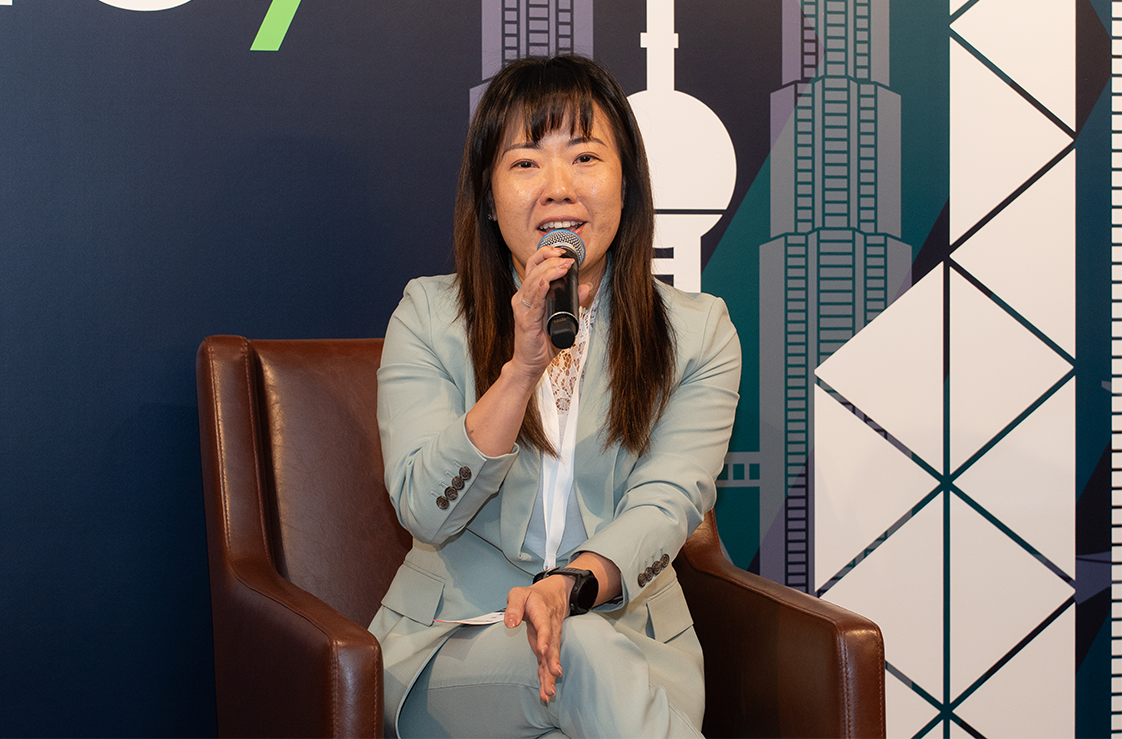
Karrie Fung, UBP
With the US interest rates hovering above 3.5%, investors are increasingly looking for principal-protected structures with maturities between three months and one year that can outperform cash without materially increasing risk.
While fixed coupon notes continue to dominate private bank distribution, derivative income ETFs are gaining traction as an income solution for the mass affluent market.
From an asset allocation perspective, I would still classify both covered call ETFs and autocallables as equity allocations - Yana Zhang, CSOP AM
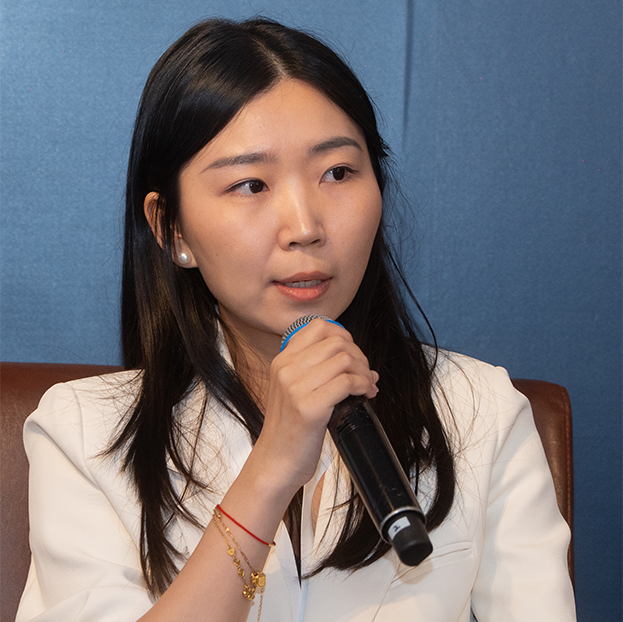
Yana Zhang (pictured), senior vice president at CSOP Asset Management overseeing the business in Taiwan, said that the covered call ETF segment has expanded from a niche strategy worth less than US$10 billion five years ago to more than US$200 billion globally.
“We definitely see the same trend in terms of investors hunting for higher, steadier yield through the fund space,” she said.
The growth reflects investor demand for steady option-premium income through exchange-traded vehicles that are more accessible than traditional structured products, said Zhang.
She also pointed to the rapidly growing segment of autocallable ETFs in the US, another vehicle for generating income. “From an asset allocation perspective, I would still classify both covered call ETFs and autocallables as equity allocations because they derive their return from the same volatility profile while offering a higher, steadier yield.”
Structured products become satellite allocations
Rather than viewing structured products as standalone investments, both speakers argued they are increasingly being used as satellite allocations within broader portfolios.
Fung said today’s uncertain macroeconomic environment makes alternative strategies more relevant than during periods of strong directional conviction.
“If volatility remains elevated, investors can monetise that volatility to create calculated risk and potentially generate returns above benchmark,” she added.
Artificial intelligence (AI) continues to dominate thematic allocations across both structured products and ETFs, although investors are becoming more selective as valuations rise.
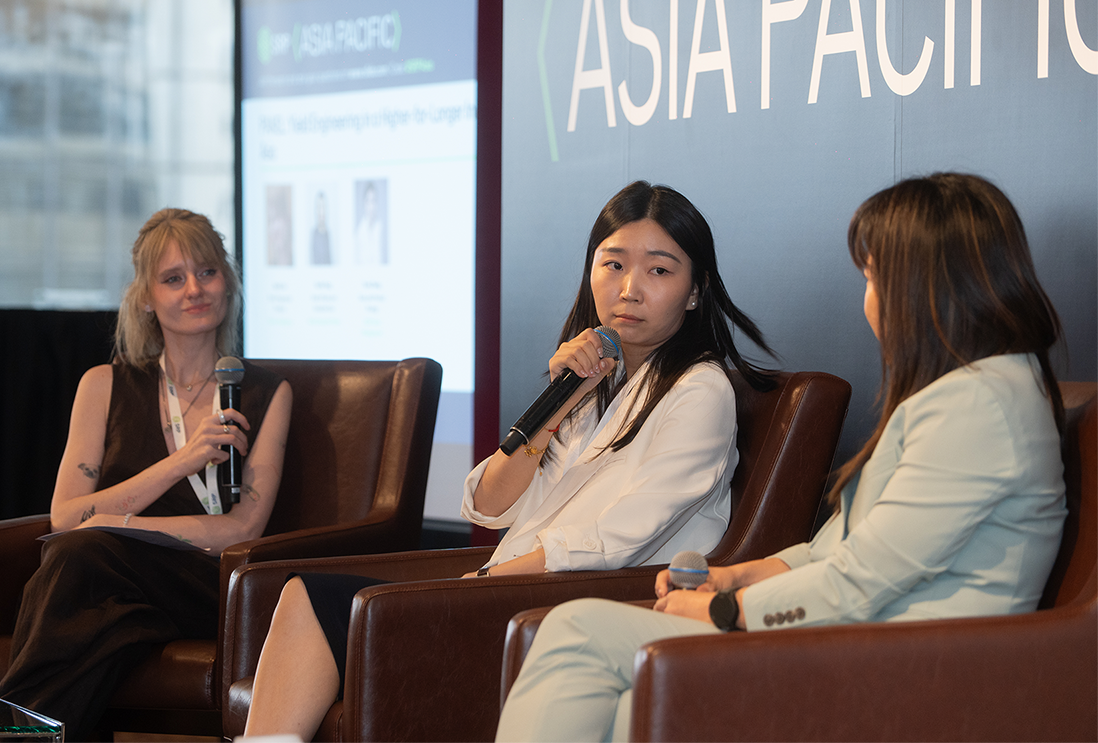
Left to right: Agata Lu, SRP; Yana Zhang, CSOP AM; and Karrie Fung, UBP
CSOP expects AI infrastructure, including semiconductor memory, power generation and data centre supply chains, to remain the principal driver of equity returns over the coming years.
Fung, meanwhile, has seen investors complementing AI allocations with commodities and precious metals.
Gold remains an important portfolio hedge, while industrial metals are emerging as a new investment theme supported by AI infrastructure spending, inflation concerns and supply constraints.
Structured products provide an efficient way to access these markets by monetising the forward curve and interest rate environment while offering capital-protected solutions on otherwise volatile underlyings, according to Fung.
ETF wrappers reshape distribution
Looking ahead, both speakers expect innovation to shift increasingly towards product wrappers rather than payoff design.
Fung suggested that the widespread standardisation of fixed coupon autocallables could eventually lead to broader adoption of exchange-traded structures, making derivative strategies accessible to a wider investor base.
“Once something becomes transparent enough, the next step is the exchange,” she said.
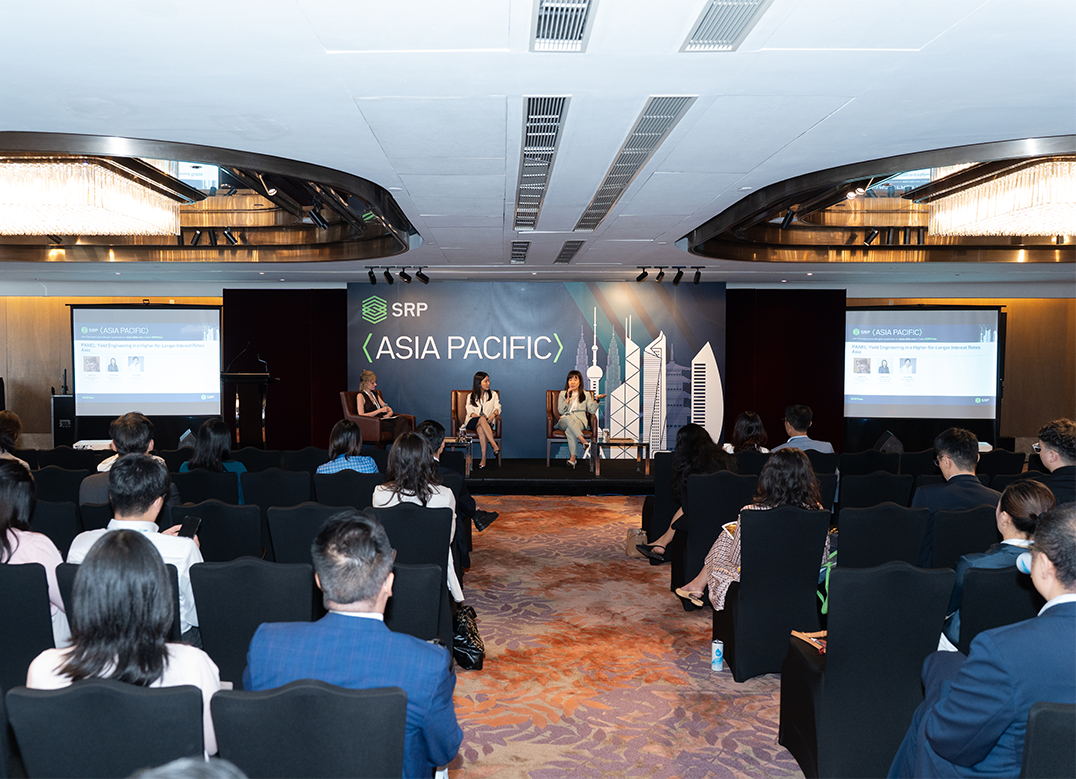
Left to right: Agata Lu, SRP; Yana Zhang, CSOP AM; and Karrie Fung, UBP
Zhang echoed that view, arguing that ETFs have evolved from passive beta instruments into flexible portfolio building blocks capable of delivering derivative income, leverage and thematic exposure within a transparent, liquid wrapper.
The growing interaction between ETF issuers, investment banks and private banks is also creating new opportunities.
For Fung, the opportunity extends beyond identifying attractive underlyings.
She encouraged distributors to focus more closely on the derivatives embedded within structured products - including implied volatility, implied correlation and financing variables such as dividends and stock borrow - which often represent the greatest source of value for investors.
“If you truly want to invest in structured products, evaluate the implied risk. Those are the areas investors often overlook,” said Fung.
Do you have a confidential story, tip or comment you’d like to share? Contact Us | SRP (structuredretailproducts.com)