The second panel of the SRP Americas 2026 conference highlighted the move of structured notes from tactical trades towards integrated portfolio sleeves.
Milind Sharma, CIO of QuantZ Capital Management, who acted as moderator, started the discussion by asking panelists about the key drivers behind the growth of structured products in the US.
The velocity of innovation is wonderful when you pair that with the technologies and platforms and people that are now available - Matt Radgowski
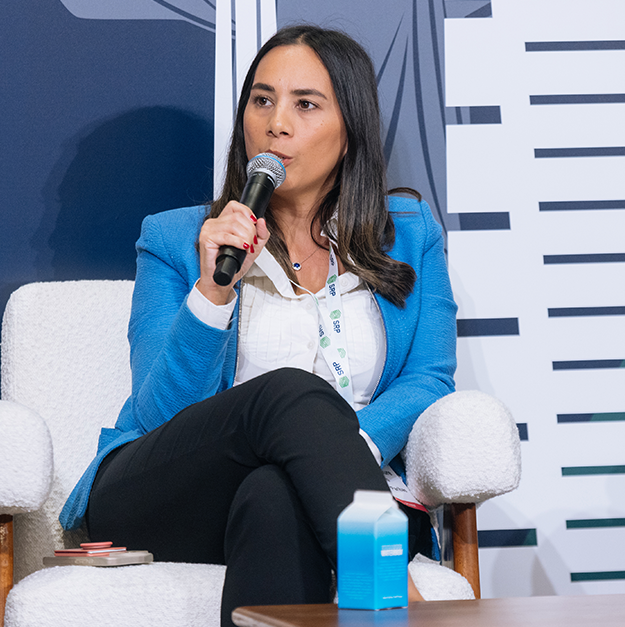
US structured products volumes have grown substantially over the the last five to six years driven by robust retail wealth management and institutional demand, according to Marie-Laure Dang (pictured), managing director, head of pensions flow Americas and Latam sales at BNP Paribas.
“From the retail wealth management, the demand has been really strong. Obviously pulled by the equity market, which is also very strong, but also the institutional side [...] because the sophistication of product that we've been offering is more and more complex,” Dang said.
Brandon Laczkowski, managing director, head of RIA sales at InspereX, attributed growth to adviser education and the shift from solving individual client needs to improving portfolio-level risk-adjusted returns and income.
“[...] people are thinking about it from how do I go ahead and allocate this to a sleeve of my portfolio to get better risk-adjusted returns or enhanced income,” Laczkowski said.
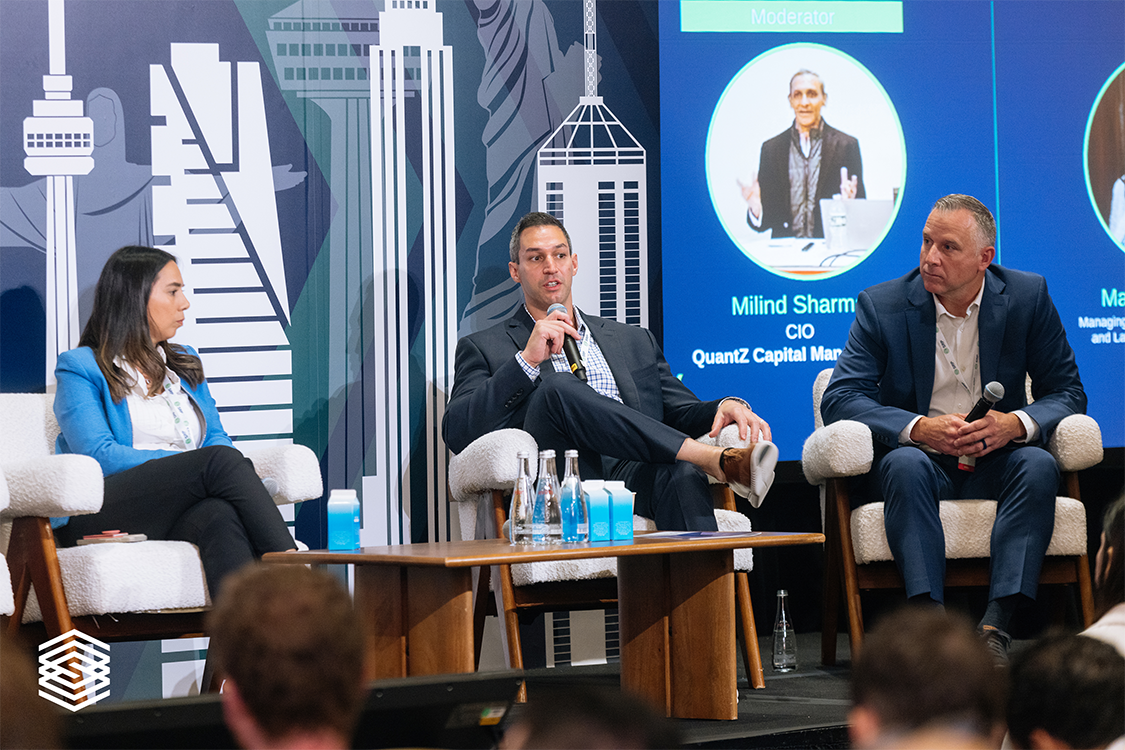
Left to right: Marie-Laure Dang, BNP Paribas; Brandon Laczkowski, InspereX; and Matt Radgowski, Halo Investing
Matt Radgowski, chief executive officer at Halo Investing, agreed that desire for defined outcomes and downside risk mitigation are the keys.
Radgowski also highlighted product innovation, “the velocity of innovation is wonderful when you pair that with the technologies and platforms and people that are now available to help that advisor decide which solutions are best at what time for the client.”
The innovation in using ETFs and separately managed accounts (SMA) can introduce advisers to structured outcomes as well, he said.
Laczkowski sees ETFs and SMA wrappers as complements to the current structured notes, instead of as competitors.
“Since buffer ETFs came out, we haven't seen too many 12-month buffer notes out there [...] It's changed, but you still see people going ahead and being further adapting these structured notes across the board,” he said.
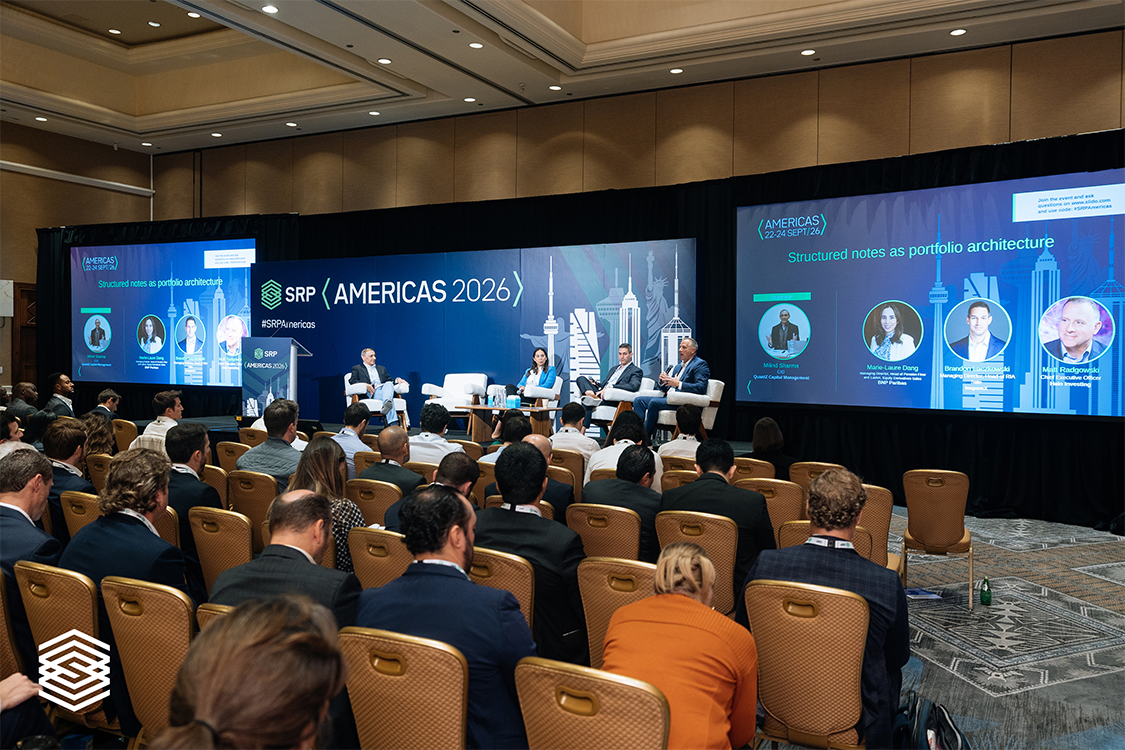
Left to right: Milind Sharma, QuantZ Capital Management; Marie-Laure Dang, BNP Paribas; Brandon Laczkowski, InspereX; and Matt Radgowski, Halo Investing
Dang sees ETF as a complement as well, “it is more [...] of what we are doing for some investors that are more familiar with ETF wrapper”.
Panellists supported systematic integration into asset-allocation policies, while retaining tactical use when market dislocations create opportunities.Apart from ETF, private credit is also seen as a complement by the speakers. Dang explained that private credit and structured products are different in risks, volatitlities and returns. “They can be [complementary], but I wouldn't say that you know one way to replace the other one,” sha said.
Radgowski believes that there is a significant momentum behind the alternatives investment space.
“Utilising [...] equity index-based structured notes to protect […] core investment while you ballast them with alternatives, I think is definitely the way portfolios should be constructed as we move forward,” he said.
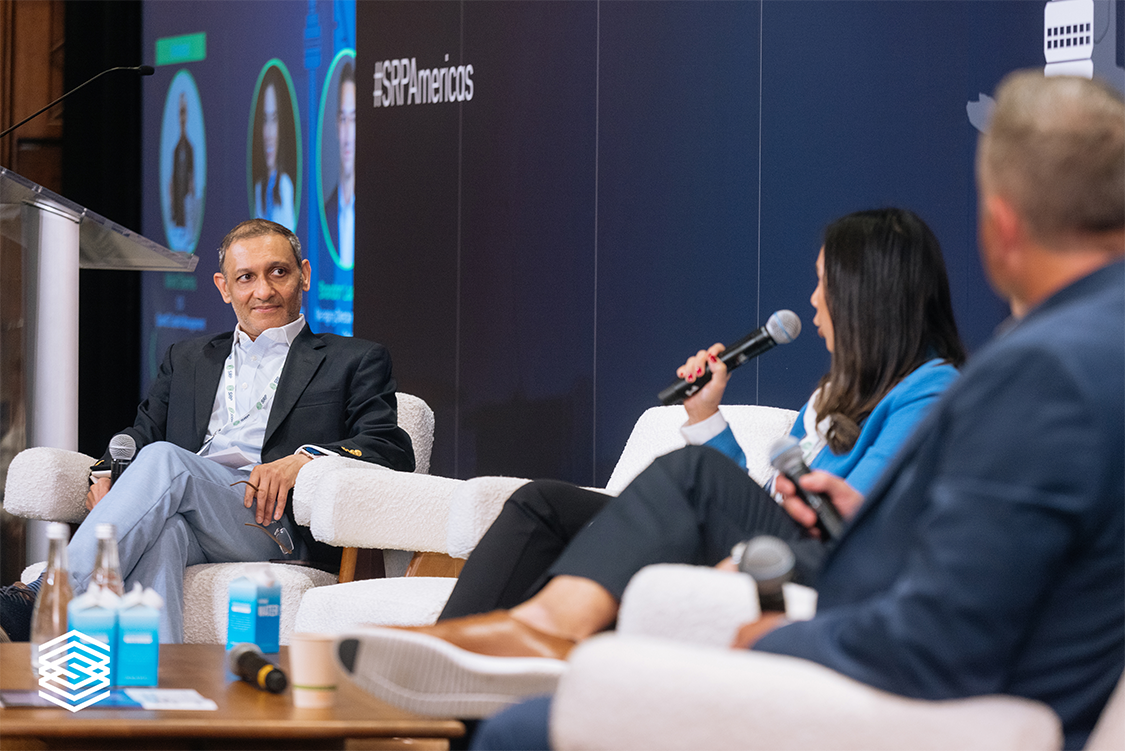
Left to right: Milind Sharma, QuantZ Capital Management; Marie-Laure Dang, BNP Paribas; and Matt Radgowski, Halo Investing
AI considerations
AI may first deliver value through operational automation, lifecycle alerts and product discovery based on adviser objectives.
Sharma noted an ever-increasing adoption of tech companies providing tools via AI for advisors to make better investment decisions.
“How do we position structured notes to go ahead and be on the forefront of that,” he asked panellists.
According to Dang, regulated firms are adopting AI cautiously. “It takes time, because there are a lot of different teams [involved] and regulations, but AI is important. We are doing it step by step.”
Radgowski stressed that human advisers remain important in the client decision loop.
“The [AI] tools will add value, however, the highest point of value interaction with that advisor and their end client is going to be with a human. I think this is still very key,” Radgowski concluded.
Do you have a confidential story, tip or comment you’d like to share? Contact Us | SRP (structuredretailproducts.com)