A panel moderated by Edward Condon, senior vice president of SMA product & platform at InspereX, discussed how structured income and autocallable products are expanding through ETF and bespoke wrappers as investors seek income with defined protection.
Jeff Schwarte, chief equity strategist at SimplifyETFs, explained that his company formed in 2020, right after the regulatory change that allowed derivatives to be used in ETFs.
Our whole mindset is around outcomes, whether it's protection, participation, using leverage or income-generating strategies - Jeff Schwarte, SimplifyETFs
“Our whole mindset is around outcomes, whether it's protection, participation, using leverage or income-generating strategies,” Schwarte said.
Simplify markets its Simplify Barrier Income ETF (SBAR), which launched in April 2025, as the industry’s first autocallable income ETF.
However, defined outcome strategies have been around for a long time, agreed Schwarte.
“We did not invent it; we were just the first ones to put it in the ETF wrapper. We made it accessible to everyday investors […] my neighbours can buy it for US$25 a share.
“At Simplify, we take democratised anomalies that are generally reserved for high-net-worth individuals and make it available for anybody,” Schwarte said.

Left to right: Edward Condon (moderator), InspereX; Jeff Schwarte, SimplifyETFs; Daniel Aronson, Janus Henderson; Yekaterina Alferova, Arta Finance; and Karan Sood, Vest
Daniel Aronson, head of specialised investment solutions at Janus Henderson emphasiszed the importance of having a framework and approach that is able to provide a truly active and diversified solution.
Janus Henderson has got two structured-income ETFs, targeting approximately seven–10% and 10–13% income. The approach actively selects index, single-stock, worst-of, autocallable and stability-note exposures according to volatility regimes, while targeting beta of roughly 0.2–0.4.
“Today we are entirely single stock,” Aronson said. “The implied correlation is extremely low in the market […] there is high correlation across indices, so we don't necessarily think right now is the time for worst-of. We are trying to create that flexibility to shift as regimes shift over time,” he said.
In terms of curation, yield notes are going to be the way to target volatility in the retail space - Yekaterina Alferova, Arta Finance
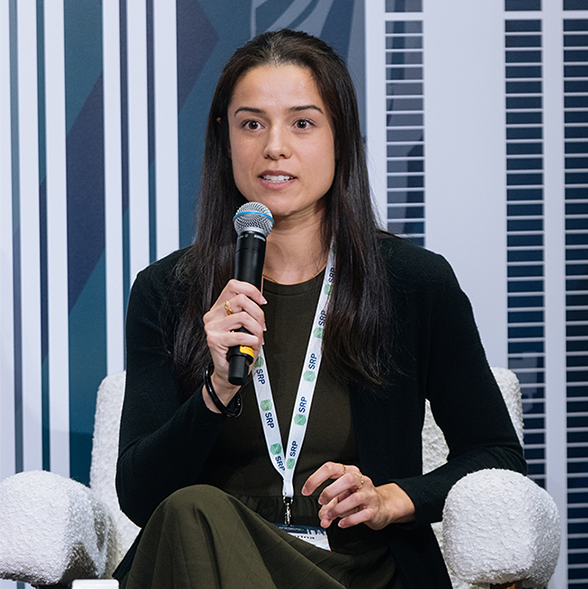
Yekaterina Alferova (pictured), head of derivatives, Arta Finance outlined the company’s digital private-bank model, which curates bespoke structured notes through a platform.
Recent opportunities have focused on shorter maturities, elevated single-stock volatility and fixed-coupon or reverse-convertible structures.
“In terms of curation, yield notes are going to be the way to target volatility in the retail space,” said Alferova, who added that every idea is created “from scratch”.
“The need to stock pick and get creative essentially has been more important, but we're well positioned to be able to do that,” Alferova said.

Left to right: Yekaterina Alferova, Arta Finance and Karan Sood, Vest
Karan Sood, chief executive officer at Vest described a more standardised, passive approach through autocallable ETFs, with products designed around repeatable exposures and different income and risk levels.
“We listen carefully to our clients, financial advisors, to get an understanding what is the broad use case for them […] the ability to monetize equity vol, equity skew correlation to get a higher level of income than they could get in the market otherwise,” Sood said.
Earlier this year, Vest collaborated with First Trust Portfolios for the launch of the FT Vest Laddered Autocallable Barrier & Income ETF, its first autocallable ETF.
“We recognised that there is appetite for different levels of risk and different levels of income, so we added versions of that so there’s more to choose from a client’s perspective,” Sood added.
Client demand has influenced the shift from individually defined outcomes towards standardised exposures with multiple protection, maturity and underlying choices.
According to Alferova, standardisation makes sense for directed allocation or directed goals while at the same time, there still is the portfolio where investors are trying to get exposure to risky diversified assets.
“That is exactly the place where bespoke and customization will always have its value prop,” she said.
Alferova believes that being able to approach the market from a tactical manner allows for picking every single term of the structure for exactly what is needed, whether it’s in terms of the structuring or around events or dynamics of a specific stock.
“If done right, bespoke structures are the way to get risk managed exposures to these riskier assets in a smarter way.”
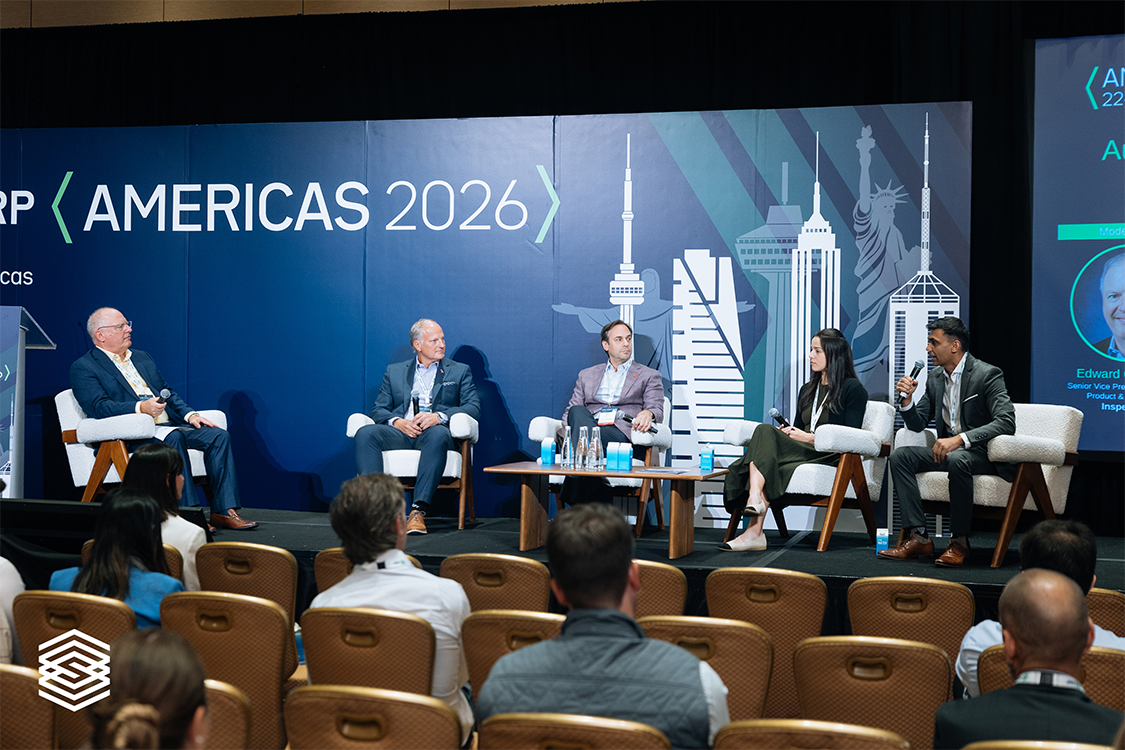
Left to right: Edward Condon (moderator), InspereX; Jeff Schwarte, SimplifyETFs; Daniel Aronson, Janus Henderson; Yekaterina Alferova, Arta Finance; and Karan Sood, Vest
At Vest, the initial thesis was tilted towards more customisation, however, repeatedly clients would ask for a similar set of exposures.
“That's when we pivoted to offering more standardised exposure, almost offering a structured product benchmark,” Sood said.
Panelists expect continued adoption as advisers and consumers become more familiar with income, barriers, maturities, protection and the trade-off between yield and risk.
“I think the adoption of the space is going to be exponential,” said Schwarte. “If you can get a strategy that gives you 10 to 12% total return, most asset allocators aren't looking for much more than that with stocks, bonds and alternatives,” he concluded.
Do you have a confidential story, tip or comment you’d like to share? Contact Us | SRP (structuredretailproducts.com)