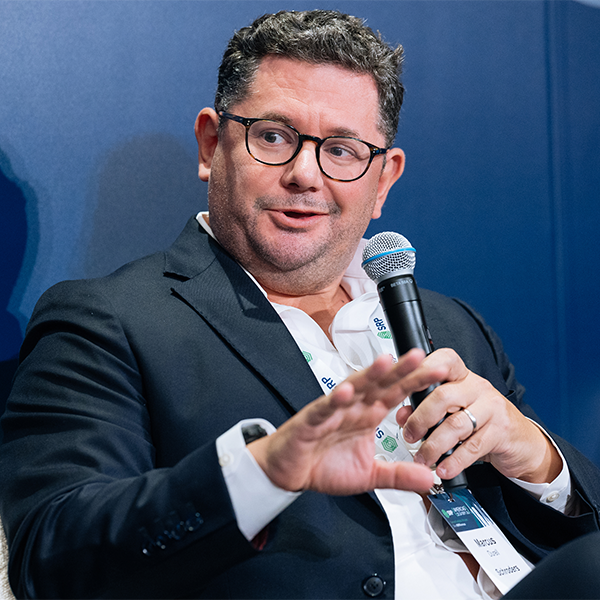
Panellists at SRP Americas 2026 examined how index providers, asset managers, banks, insurers, market makers and distributors can collaborate to develop differentiated, viable products.
Product design should begin with clearly defined outcomes and remain rules-based, transparent and no more complex than necessary, according to participants of the Index engineering II: structured products, QIS and insurance manufacturing panel, at SRP Americas 2026 in Scottsdale, Arizona on 23 September.
In 2020, 80% was QIS and 20% major benchmarks […] that has flipped, it is 80/20 the other way now - Mike Heraty, RBC Capital Markets
“As an index provider, we are providing index solutions and in the traditional sense, one only starts researching data to embed into these solutions,” said Neil McAllister, head of derivative products Americas at Morningstar Indexes.
Some 25-years ago Morningstar started off in the ETF space before entering structured products and insurance products more recently.
“As we got into the structured products world and insurance world, you realise that design requests and features are different,” he said.
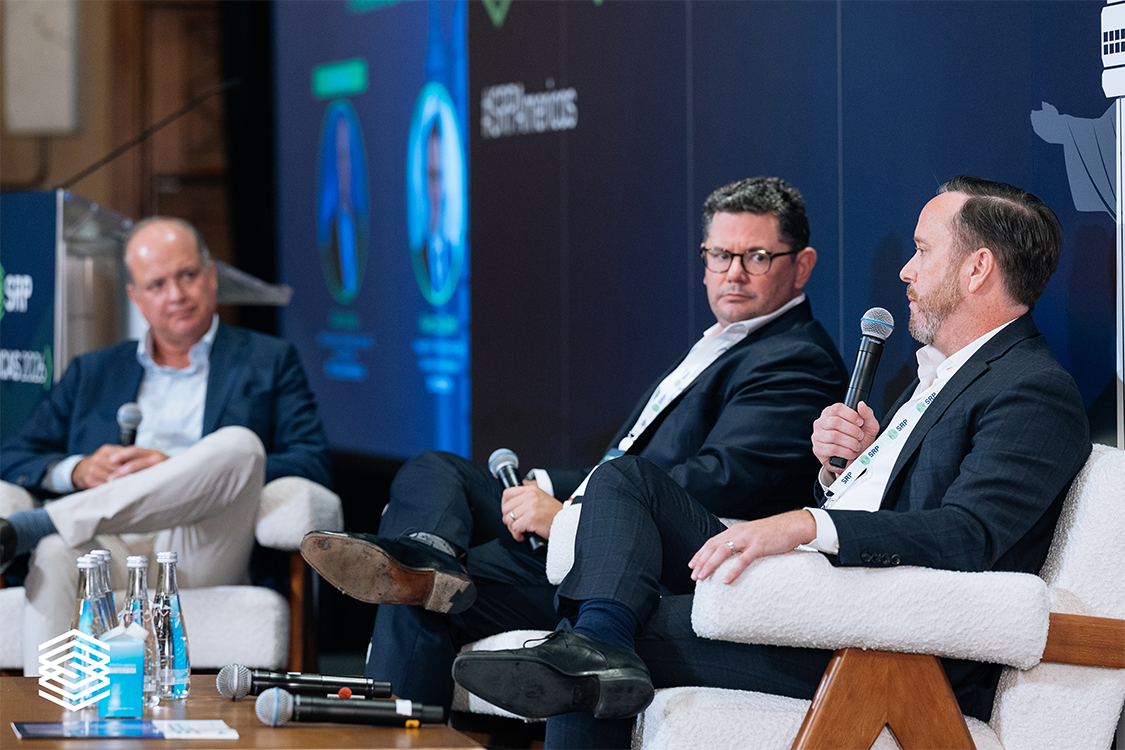
Left to right: Mike Heraty, RBC Capital Markets; Marcus Durell, Schroders; and Neil McAllister, Morningstar Indexes
Coming from the ETF world and only working with ETF manufacturers, McAllister found that Morningstar’s product teams had to plug into distribution, providers such as VanEck, Northern Trust, First Trust and BlackRock, and then realising that there are more players in the insurance world, offering fixed income annuities (FIAs) and registered index-linked annuities (Rilas).
“We're an index provider. We had to learn a lot on the fly. Identifying the fact that the need for collaboration across the different players will more likely lead to success than if we are just doing these things in silo,” McAllister said.
Marcus Durell, head of FX, index and equity derivative investments at Schroders, emphasised that in the US, indices are very much rules-based while in Asia and Europe they tend to be more active.
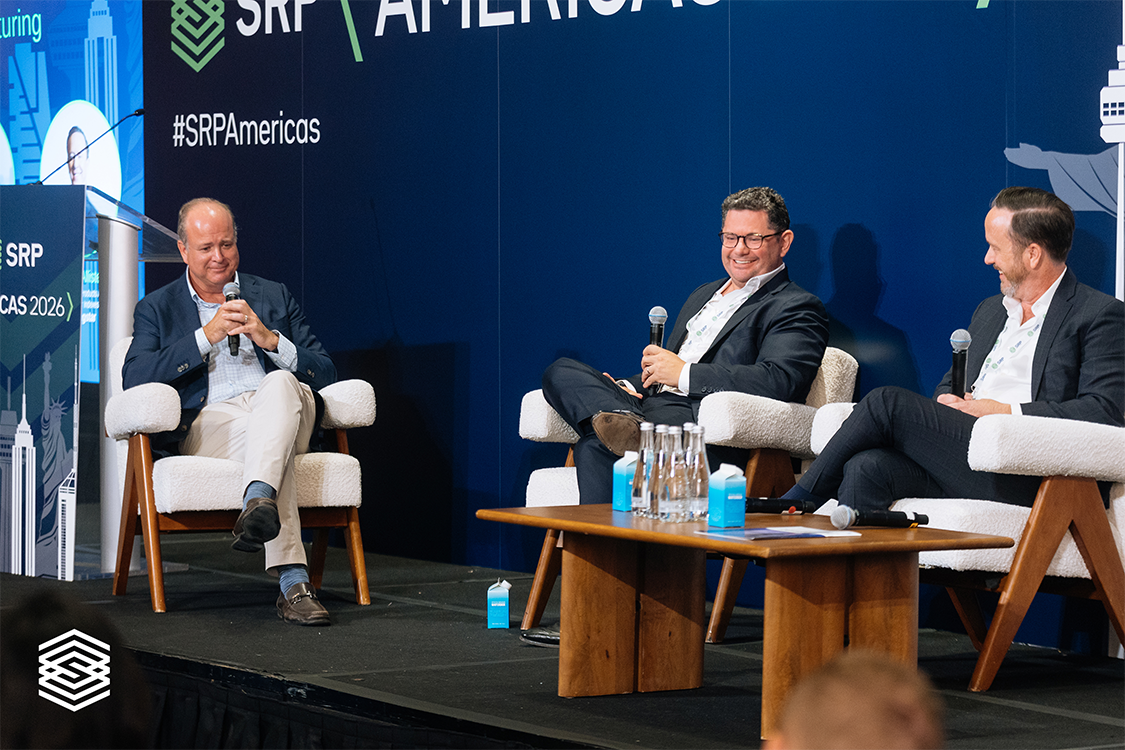
Left to right: Mike Heraty, RBC Capital Markets; Marcus Durell, Schroders; and Neil McAllister, Morningstar Indexes
Mike Heraty, global head of QIS distribution, head of US derivative sales at RBC Capital Markets who moderated the panel asked Durell whether he had encountered any surprises with regards to the US market versus other parts of the world.
“It’s mental…in a good way,” said Durell. “Honestly, it's fantastic because everyone is pro doing new and exciting things and trying to make advances in different areas.”
According to Durell, the Americas is a great place to start, and the hope is then that those new and interesting things start to migrate their way into Europe.
“You produce a product or an index in one market, which you can then scale across other markets. Terrific,” he said.
Morningstar uses its reputation, research and thematic intellectual property to support custom solutions.
“We have built up a strong autocallable market in Europe, particularly in France, and a big part of that was the familiarity of the Morningstar brand,” said McAllister.
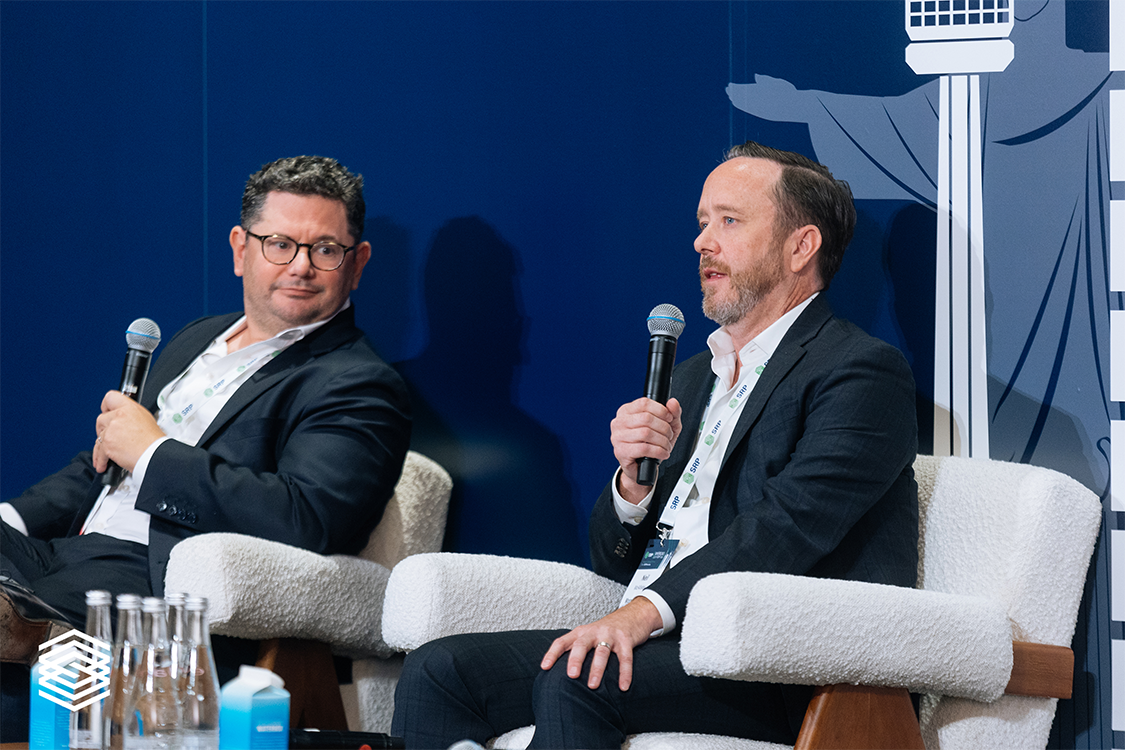
Left to right: Marcus Durell, Schroders and Neil McAllister, Morningstar Indexes
Heraty pointed at an upcoming branding exercise at Schroders after it was acquired by Nuveen on 1 October. “I think the acquisition is pretty cool, because there isn’t a ton of overlap,” he said.
Looking at the combined entities, Nuveen is a large brand in the US and Japan while Schroders strength lies in Asia excluding Japan and Europe, with Durell expecting everything to be cut down the lines, with one brand being used in certain markets and the other brand in other markets, and everything else in between.
“The trick will be that we have just launched a Schroders ETF. Is that going to involve a name change in three to six months’ time?”
The panel highlighted the importance of education for advisers, whose technical understanding varies significantly, and of explaining product behaviour in different market environments.
“Education is so important […] to make sure that people are aware what they are buying,” said Heraty, citing how wrappers have dramatically shifted from quantitative investment strategies (QIS) towards benchmarks.
“In 2020, 80% was QIS and 20% major benchmarks […] that has flipped, it is 80/20 the other way now,” said Heraty, adding that when you contrast that with structured products, which has a tiny sliver of QIS, but growing.
“In the ETF space, it’s even tinier, but that's an $18 trillion market that will continue to grow and need index solutions that are more innovative and differentiated,” Heraty said.
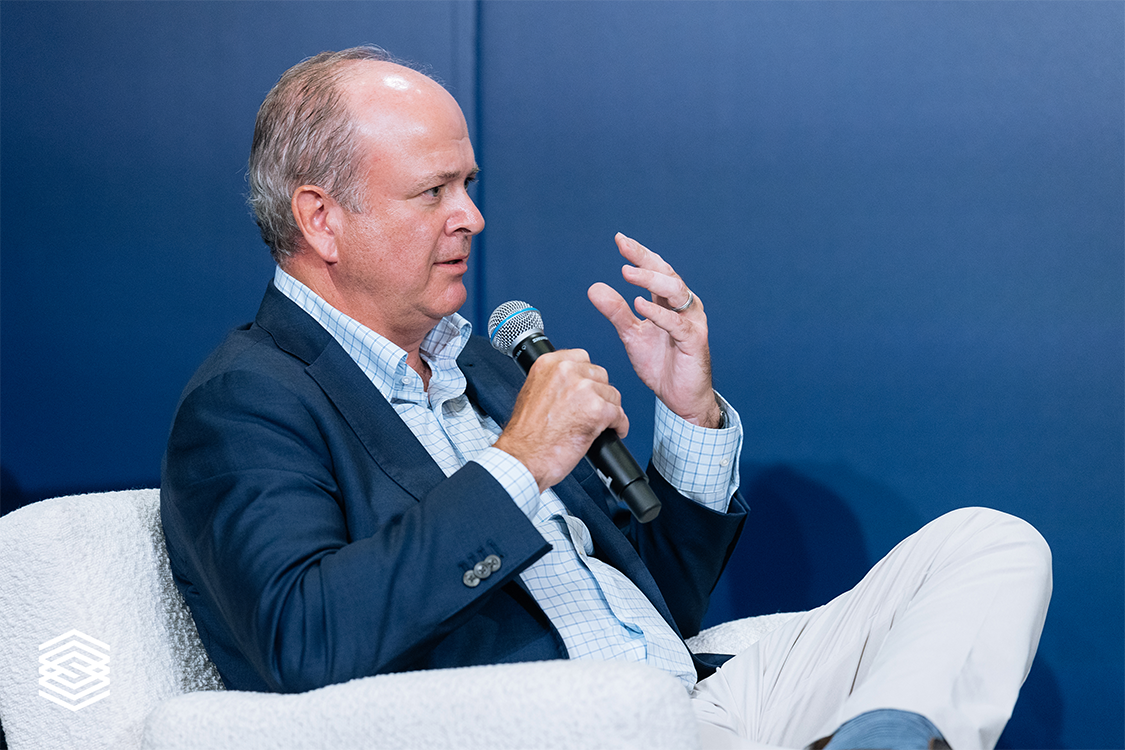
Mike Heraty, RBC Capital Markets
Market making is also becoming an increasingly important aspect since many mutual funds are transforming into ETFs, leading to an avalanche of ask on the market making community.
“For the first time probably ever, people are being told no,” Heraty said.
Market makers should assess complex ETF structures before launch, with the panel citing a European asset manager attempting to include a dispersion strategy into an ETF.
“I don't think they've thought of the market making aspect of that yet because it's quite a complex product to jam into an ETF structure,” said Durell.
Equally important to market making and the liquidity around it is the distribution story and the support there, according to McAllister, who underlined that the focus at Morningstar Indexes has always been on the educational aspect.
“All the players that are involved, especially in the ETF and insurance world, from the get-go it’s important to know who’s doing what,” he said.