The US wealth manager is pushing education to help advisers consider structured products and alternative investments through a broader portfolio-construction lens.
Stifel remains a relatively small distributor in the US structured products market compared with tier-one firms but continues to invest in adviser education as it develops its structured investments business.
Alternative investments can tie up capital in return for an illiquidity premium, while structured investments can provide a defined outcome on a specified date
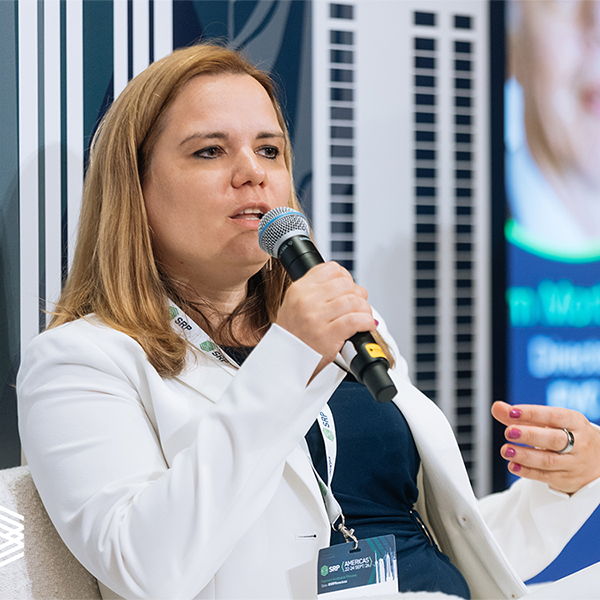
The firm distributes notes issued by third-party banks through its wealth adviser network. Its education programme includes required training modules, sessions for new advisers and the annual Blueprint conference, which gives advisers access to issuing partners and product specialists, according to Nataliya Popel (pictured), managing director and head of structured and alternative solutions.
EDGE builds on that foundation, bringing structured investments and alternatives together in a more focused programme to help advisers address different client and portfolio requirements.
“At Stifel, we believe it was more of an opportunity to explore the potential synergies between the two products. The required training modules and our new-advisor sessions have always covered mechanics well,” Popel said.
“Our annual Blueprint conference already gives advisors broad, firm-wide access to our issuing partners and product specialists. EDGE was created to build on that foundation, furthering expertise around structured investments and alternatives in a more concentrated, dedicated format.”

The Stifel team at the SRP Americas 2026 Awards in Scottsdale, Arizona on 23 September with Nataliya Popel second from right.
Starting with the portfolio
The programme reflects a change in how advisers approach structured products: discussions increasingly begin with the client's holdings, objectives and constraints rather than a particular product or payoff.
“The clearest change is where the conversation starts. It used to start with a product: what is on the calendar this month, what potential benefits are offered by which notes and for which clients. Now it more often starts with the clients themselves,” Popel said.
“Combining the two businesses recognised a relationship that has always existed in the client base and allowed us to address it more efficiently,” Popel said.
This has brought the structured investments team into earlier portfolio-planning discussions, where advisers can consider whether a structured note or an allocation to private credit is better suited to a particular objective.
Adviser understanding
According to Popel, advisers are becoming more familiar with path dependency, including how memory coupons, snowball features and autocall observation schedules affect potential outcomes. They are also paying closer attention to the difference between barriers and buffers and how proximity to a barrier can affect a product during its life.
Stifel's desk sends more than 400 adviser-specific lifecycle updates each month. Popel says the questions generated have become more informed, including on cash versus physical settlement and how changes to tenor, cap, coupon or protection levels affect a customised structure.
Client demand continues to centre on income, concentrated equity positions and downside protection. Some clients have accumulated significant exposure to individual stocks after a prolonged period of narrow market leadership. Advisers are increasingly using zero-cost collars and prepaid variable forwards to hedge positions, generate liquidity and defer asset sales.
The structured investments team can coordinate these strategies with alternative investments and tax-related approaches to diversify a position over time.
“The result is a multi-year plan for the whole position, with any single trade as one part of it, and the desk coordinating across issuers, the advisor, and the client,” Popel said.
Income remains the largest category by volume. On protection, discussions start by defining the downside a client is prepared to accept, using buffers, barriers and principal protection to help clients remain invested through market volatility.
Combining investments
The relationship between structured investments and alternatives is particularly relevant when advisers are managing liquidity requirements.
“Alternative investments can tie up capital in return for an illiquidity premium, while structured investments can provide a defined outcome on a specified date,” Popel said. “Used together, the two can help advisers manage different liquidity needs within a portfolio.”
A prepaid forward can monetise a concentrated stock position to meet capital calls without an outright sale. A buffered or principal-protected note can also help offset mark-to-market uncertainty elsewhere in a portfolio.
Tailored structures
Where a published index or standard payoff does not meet a client's requirements, Stifel works with issuers to construct bespoke baskets, adjust constituent weights, change barriers and buffers or extend tenors.
Popel cites a client seeking healthcare exposure based on a published provider index that could not be used in the desired structure. The issuer instead built a custom basket using the index's largest constituents and two additional stocks, with weights selected by the adviser.
Stifel works with more than 16 issuing counterparties, aiming to avoid concentration with any single issuer. Competition between banks can support more competitive terms and greater flexibility in product design.
Looking ahead, she expects demand for concentrated-position risk management and protection-oriented structures to continue. Registered and exchange-traded defined-outcome vehicles are also creating opportunities to make strategies previously accessed through notes available in different wrappers. She sees scope to improve the tools and analytics advisers use to compare structures before a trade.
At the first EDGE event, an issuer panel scheduled as a product session developed into a discussion of mechanics, reflecting advisers' appetite for greater detail.
“The strongest signal was which sessions ran over time. The issuer panel was scheduled as a product session and turned into a mechanics session because advisors wanted to go deeper on memory coupons, barrier behavior, and settlement than the agenda allowed,” she said.
EDGE is intended to complement rather than replace Blueprint. While Blueprint remains Stifel's broader adviser conference, EDGE focuses on structured investments and alternatives. The firm plans more sessions on combining strategies at portfolio level.
Popel expects artificial intelligence and improved portfolio tools to help advisers identify portfolio needs. However, technology will not replace judgement on how much protection a client needs and what it should cost.
| Stifel received the Best Educational Initiative award at the SRP Americas Awards for its EDGE programme. |